
New gas furnaces for Lexington homes
Furnace Replacement in Lexington, KY
The technician held a camera up to the heat exchanger and showed you a crack, or the furnace is 22 years old and this is the third repair since Thanksgiving. Either way, you’re shopping for a furnace, probably sooner than you planned.
- When a gas furnace has truly reached the end
- Venting and drainage issues that catch Lexington homes off guard
- Permit and quote-comparison basics
The Lexington Context
Most furnace replacement in Lexington happens in a hurry, during the first hard cold of November or a January stretch when about 23 nights in the month dip to freezing. Rushed decisions are where people end up with the wrong size, a vent problem nobody mentioned or a quote they can’t compare. If your furnace is aging but still running, deciding in September or October gives you room to get proper proposals.
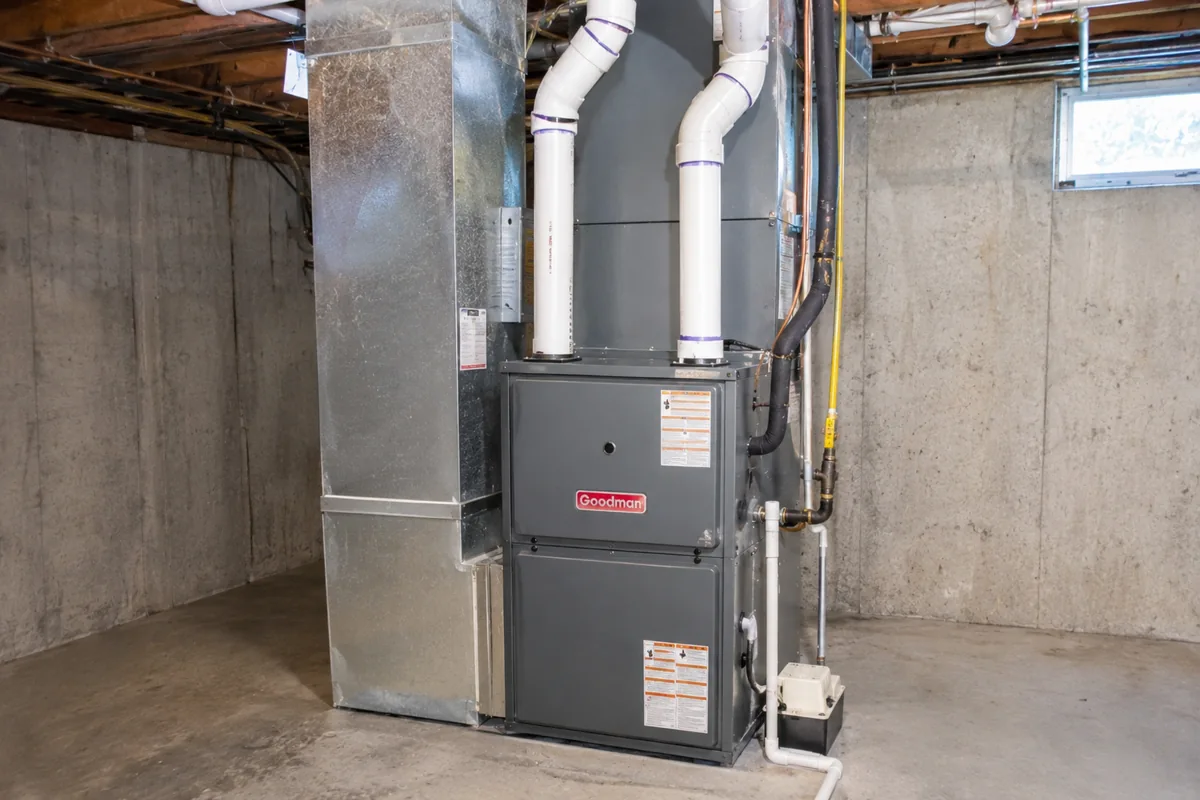
Columbia Gas of Kentucky supplies natural gas across much of the city, and many older neighborhoods have had gas heat for generations. That means a lot of basements with a furnace in the same spot since the 1960s, venting through a masonry chimney shared with a gas water heater. Newer homes on the edge of town often have furnaces in closets, garages or crawl spaces, often paired with a central air conditioner.
Signs It’s Time
Heat exchanger damage
A cracked or rusted-through heat exchanger can let combustion gases mix with house air. Most technicians will recommend replacement rather than repair, and you should get a second look if you’re unsure.
Repairs keep stacking up
An inducer motor one winter, a control board the next, and a gas valve this year usually means the whole furnace is wearing out together.
Age past 15 to 20 years
Many gas furnaces last that long with care. Older units are typically much less efficient than current models and may lack modern safety controls.
Uneven heat and soot
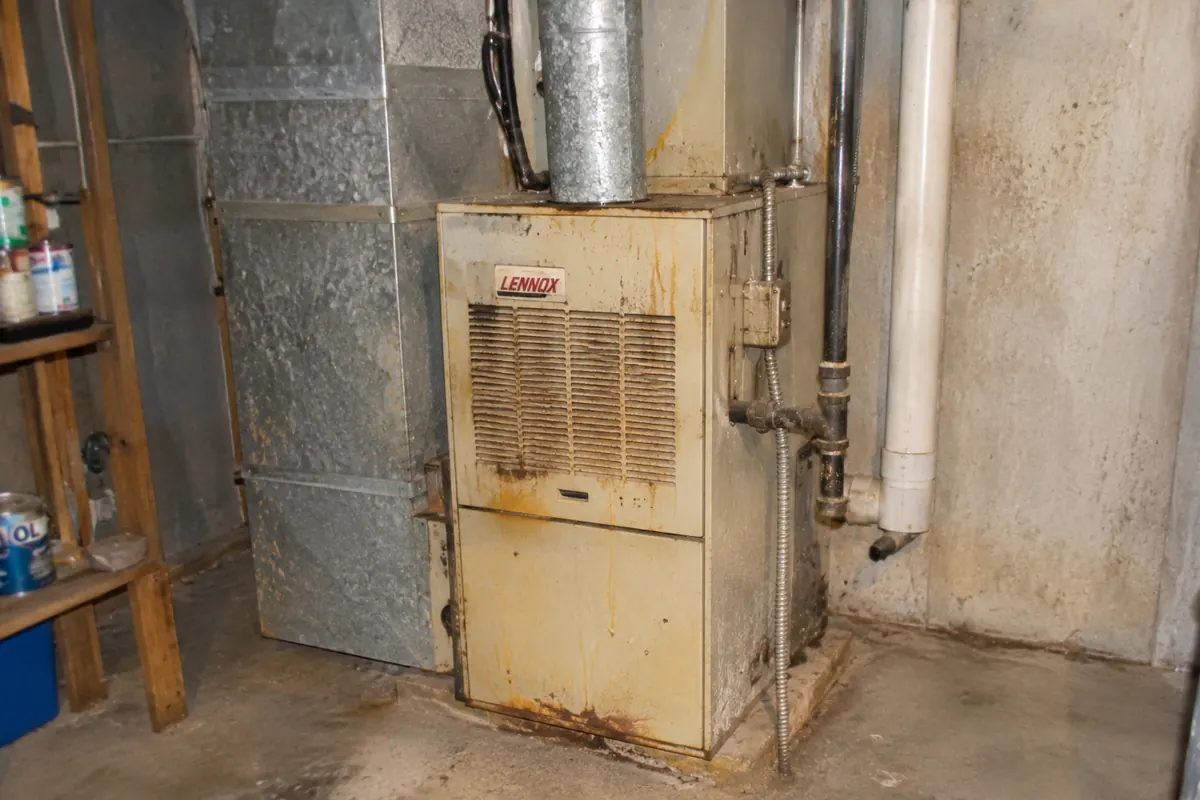
Rooms that never warm up, soot around the burner area, a lazy yellow flame or rust stains on the cabinet are all signs to have it inspected.
What an Inspection Should Cover Before a Quote
Heat exchanger and combustion
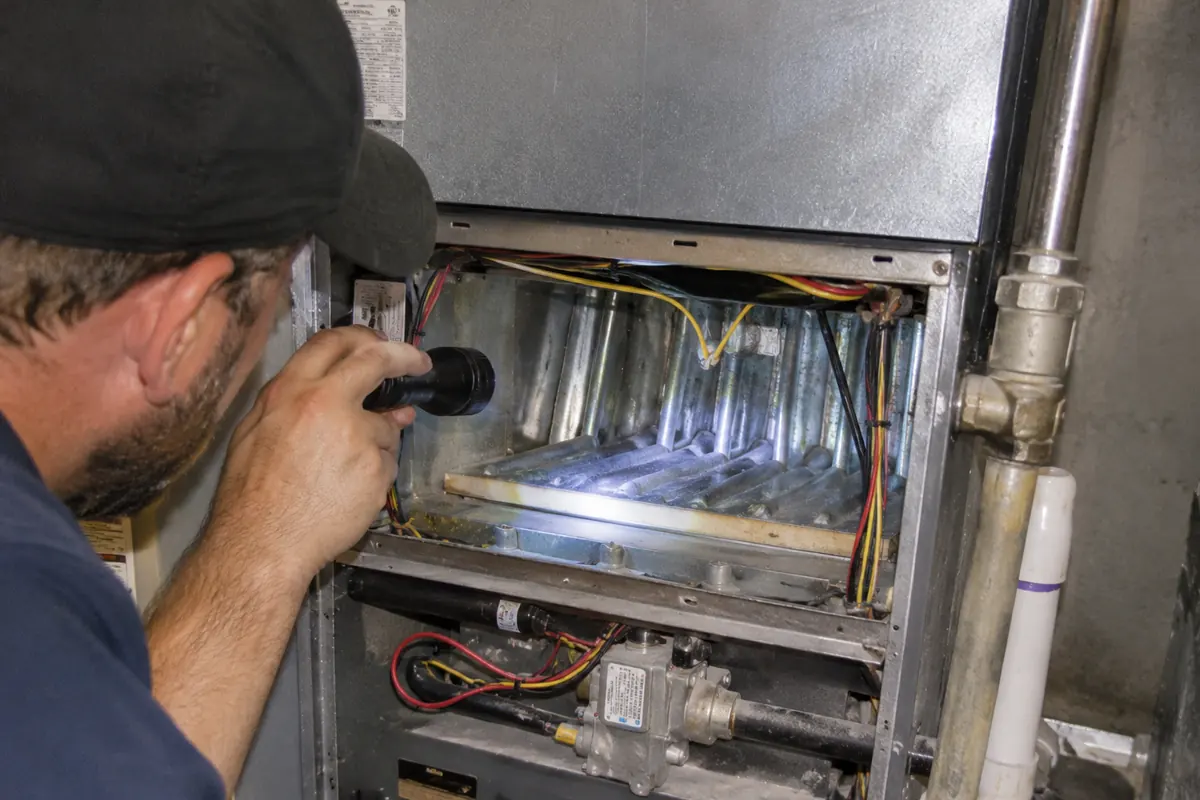
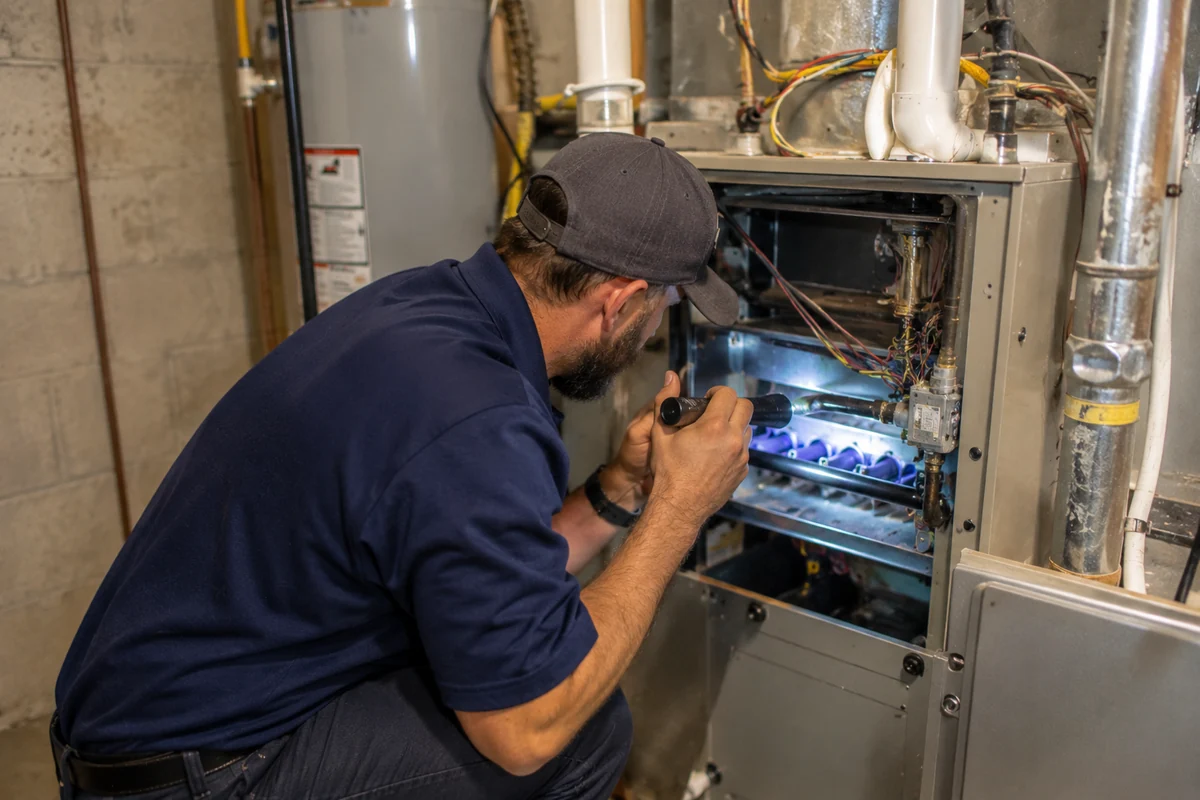
A camera or visual inspection of the heat exchanger and a combustion test help confirm whether replacement is necessary and safe to delay.
Venting path
Is the furnace venting through a chimney, metal flue or PVC? What else shares that vent? The answer changes the scope of the job.
Ductwork and airflow
A new furnace can’t fix a duct system that’s leaky, undersized or missing returns. Static pressure readings show whether the ducts are part of the problem.
Size
The right furnace is sized to the home’s heat loss, not to the old unit’s label. Many older furnaces were oversized, which causes short cycling and temperature swings.
80 Percent or High-Efficiency?
Furnace efficiency is measured as AFUE, the share of fuel energy that becomes heat in your house. Standard models are around 80 percent and vent hot exhaust through metal flue pipe. Condensing furnaces, usually 90 percent and up, pull so much heat out of the exhaust that it cools to the point of making water. They vent through PVC pipe out the side or roof and need a drain.
In a Lexington basement, the high-efficiency route raises three practical questions:
- Where will the PVC exit? It needs a code-compliant spot away from windows, doors and the snow line. Lexington averages about 14.5 inches of snow a year, enough for drifts to block a low vent.
- What happens to the water heater? If the old furnace shared a chimney with a gas water heater, removing the furnace can leave the water heater alone in a chimney that’s now too big for it. That can cause poor draft, and the chimney may need a liner.
- Where does the condensate go? A floor drain or condensate pump is needed, and lines running through a cold crawl space or garage can freeze.
How a Replacement Is Usually Done
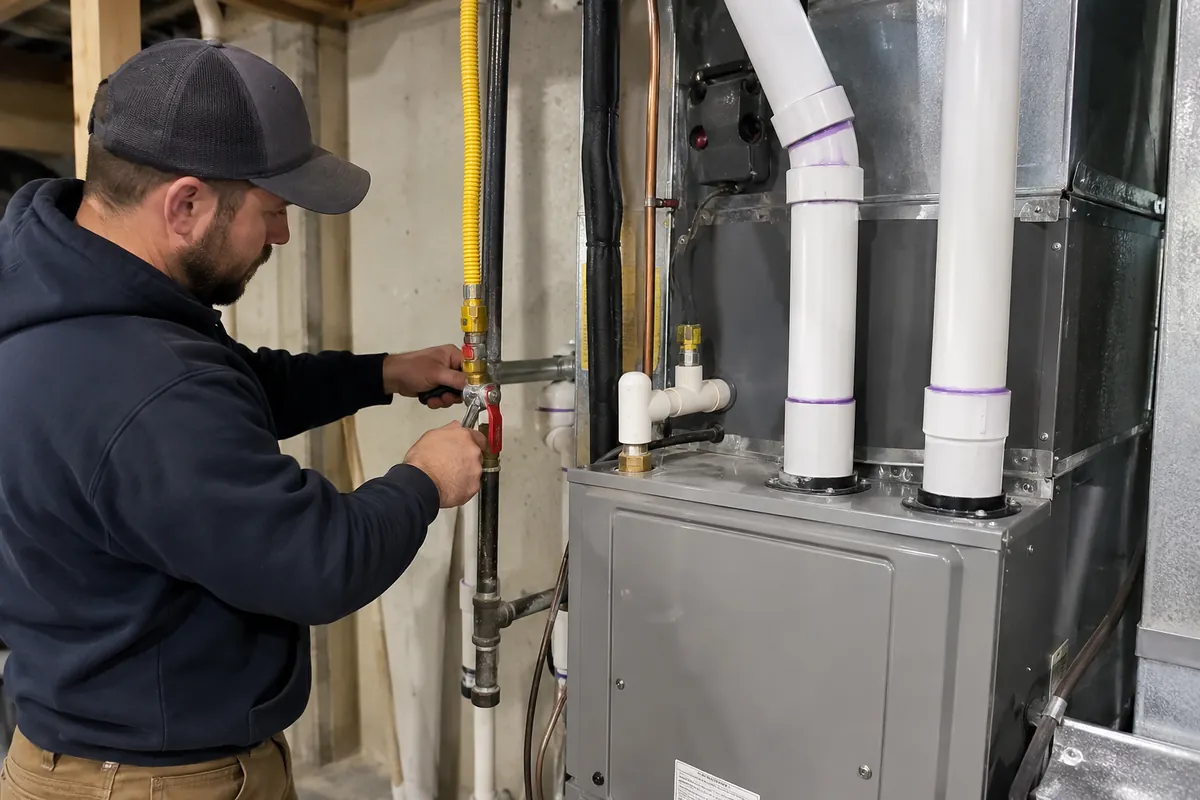
- Gas is shut off, the old furnace is disconnected and removed, and the area is cleaned.
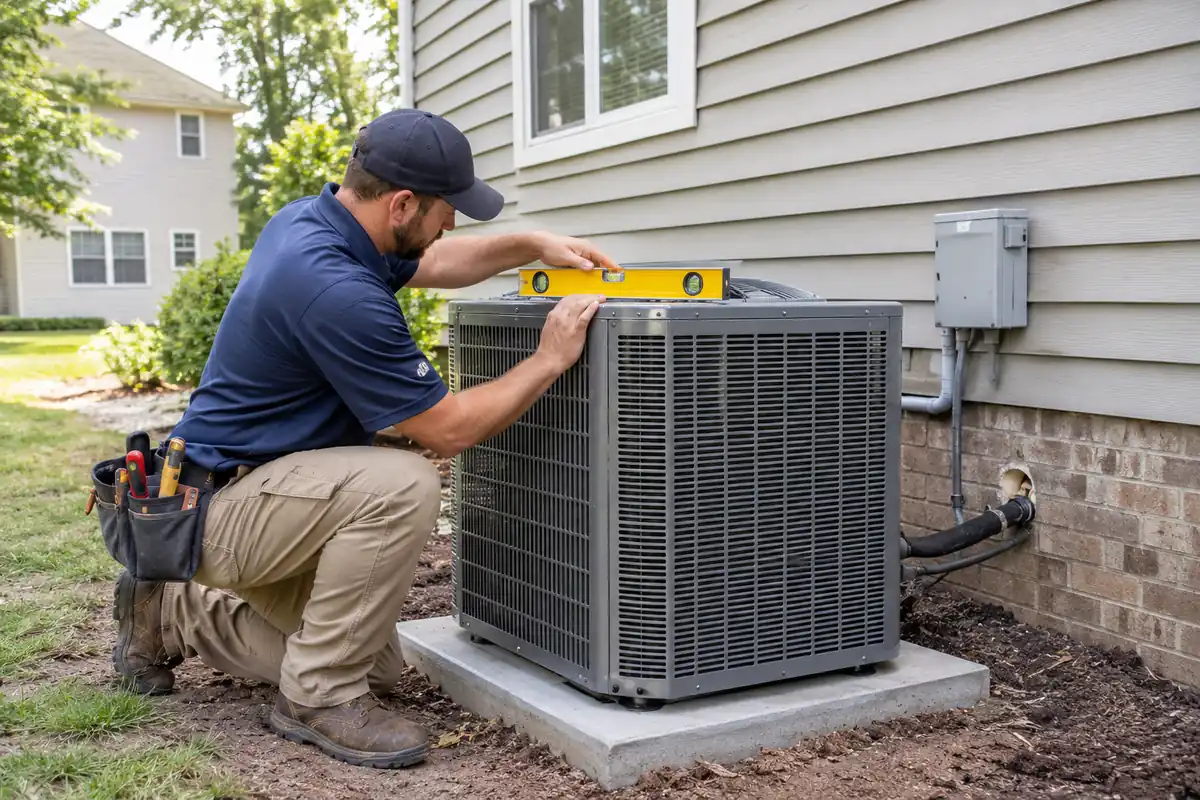
- The new furnace is set, leveled and connected to the existing plenums or new transitions.
- The gas line is connected with a new shutoff valve and sediment trap, then leak-tested.
- Venting is installed or modified, including any chimney liner the water heater needs.
- Condensate drainage and electrical connections are completed.
- The furnace is started, gas pressure and temperature rise are checked, and the thermostat is set up.
If you have central air, the indoor AC coil sits on top of the furnace. Ask whether the existing coil will be reused and whether it’s a proper match for the new furnace’s blower.
Permits and Licenses
Replacing a furnace in Lexington generally requires a mechanical permit through LFUCG’s Division of Building Inspection, and only registered contractors can pull permits. You can confirm a company’s state HVAC license in the DHBC licensee search.
Making Quotes Comparable
Ask each provider to list the furnace model number, input capacity (BTU), AFUE rating, blower type (single-speed, multi-speed or variable-speed), venting work, any chimney liner, condensate pump, gas line changes, thermostat, permit, haul-away and warranty for parts and labor. Without those details, one quote may look lower only because it leaves out work the other includes.
Furnace Replacement FAQ
Can I replace just the furnace and keep my air conditioner?
Often, yes, if the AC is in good shape and its coil matches the new furnace’s airflow. If the AC is also old, replacing both together usually avoids a second round of labor later.
How long does a furnace replacement take?
A like-for-like replacement often takes most of a day. Converting to PVC venting, adding a chimney liner or changing ductwork can add time.
Is a variable-speed blower worth it?
It tends to give quieter operation, more even temperatures and better dehumidification when paired with central air. Whether it’s worth it depends on your budget and how long you’ll stay in the house.
Do I need a new gas line?
Not usually, but the installer should check that the existing line is sized correctly for the new furnace’s input.
Will a new furnace fix rooms that are always cold?
Not if the problem is ductwork, insulation or air leaks. Ask for an airflow assessment as part of the proposal.
Related Pages
Weighing a new furnace? Call to go over your options with a Lexington HVAC provider.
Call (859) 517-8017Sources
- Lexington-Fayette Urban County Government, Division of Building Inspection
- Kentucky Department of Housing, Buildings and Construction, licensee search
- National Weather Service, Lexington normals, 1991–2020 and normal number of days