
Replacing a worn-out central air system
AC Replacement in Lexington, KY
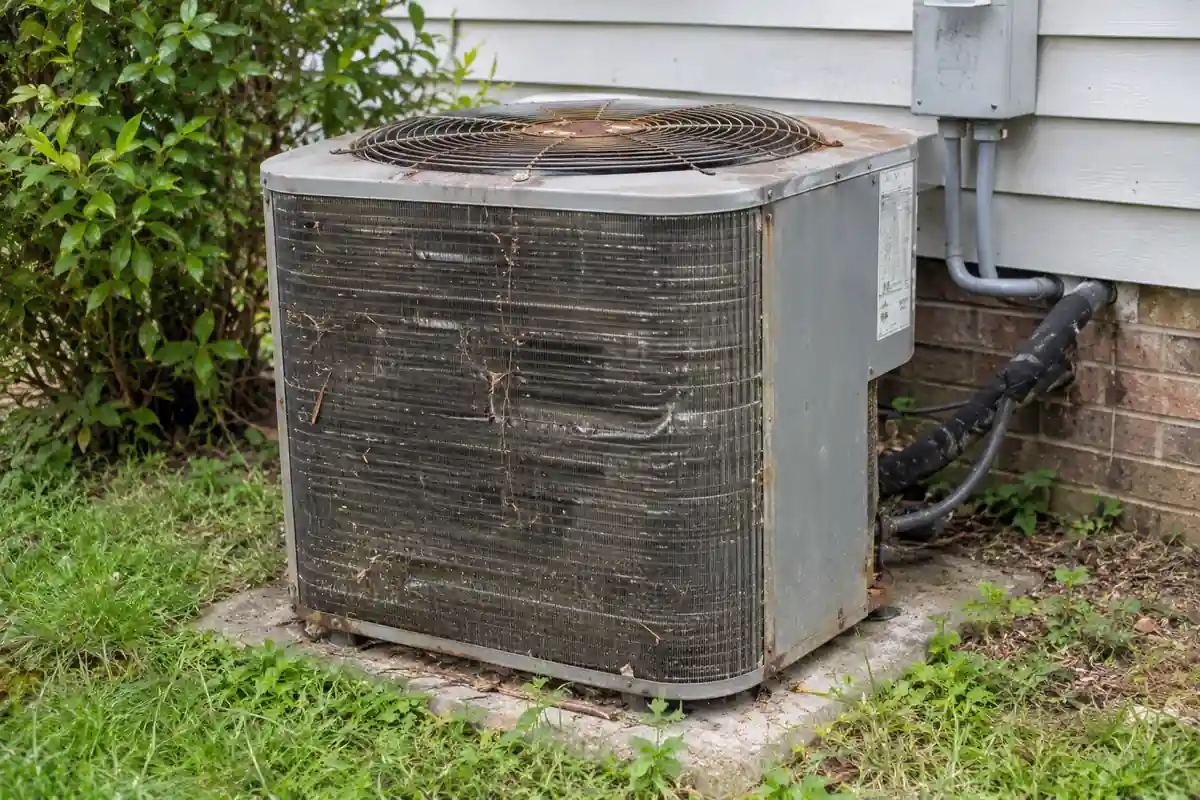
The condenser out back is 16 or 18 years old, it may still run on R-22, and last August it took more than one repair to get through a single heat wave. At some point, keeping an aging air conditioner alive stops making sense. This page is about that point: replacing an existing AC system that is failing.
- Signs your current air conditioner is near the end
- How to weigh repair against replacement
- What shapes the decision and the quote in a Lexington home
Why Lexington Summers Wear Out Air Conditioners
An air conditioner in Lexington handles two loads at once: heat and moisture. July averages a high of 86.9°F, with about nine days at 90°F or more, and Bluegrass humidity means the system spends a large share of its effort pulling water out of the air. Long run times through June, July and August add up, and so does the pollen and cottonwood fluff that packs into outdoor coils every spring.
That steady workload is why many systems in the 2000s subdivisions around Hamburg, Masterson Station and Andover are now reaching the age where failures stack up. A unit that has given 15 good summers has done its job; the question is whether the next repair is worth it.
Signs It May Be Time to Replace Your AC
It still uses R-22
Air conditioners built before 2010 often use R-22. U.S. production and import of R-22 ended in 2020 under EPA rules, so a recharge depends on recovered supplies. A refrigerant leak on an R-22 system is often the moment the numbers tip toward replacement.
A major part has failed on an older unit
When a compressor fails on a system past 12 to 15 years, or the indoor coil starts leaking, the repair can approach the price of new equipment without making the rest of the system any younger.
Repairs are becoming routine
A capacitor one summer, a fan motor the next, then a leak search. When service visits have become a yearly event, it is worth adding up what the last few years have cost.
The house never feels right
Rooms that stay warm, a house that stays sticky even with the AC running, or a power bill that climbs every summer can all point to a system that has lost capacity with age.
Repair or Replace: How to Weigh It
There is no single rule, but a few questions sort most situations. Ask the provider to walk you through each one with your own system in mind.
| Question | Leans toward repair | Leans toward replacement |
|---|---|---|
| How old is the system? | Under about 10 years | 15 years or more |
| What failed? | A capacitor, contactor, fan motor or clogged drain | The compressor, the indoor coil, or a large refrigerant leak |
| Which refrigerant? | R-410A or a newer refrigerant | R-22 |
| How often has it needed work? | Rarely | Several repairs in the last few summers |
| How does the house feel? | Comfortable until this problem started | Hot rooms and humidity that have been getting worse |
One common way to frame it: multiply the system’s age by the repair price. If the result is getting close to what a replacement would cost, replacement deserves a serious look. It is a rough guide rather than a verdict, but it helps keep the conversation grounded.
If the system is younger and the problem is a single part, our AC repair page covers the common summer failures and what a careful diagnosis looks like.
What Affects the Decision and the Quote
Sizing for humidity
A replacement should come from a load calculation, not the size printed on the old unit. A unit that is too big cools the house quickly and shuts off before it removes much moisture, leaving it cold and clammy. The EPA suggests keeping indoor humidity below 60 percent, ideally between 30 and 50.
The indoor coil
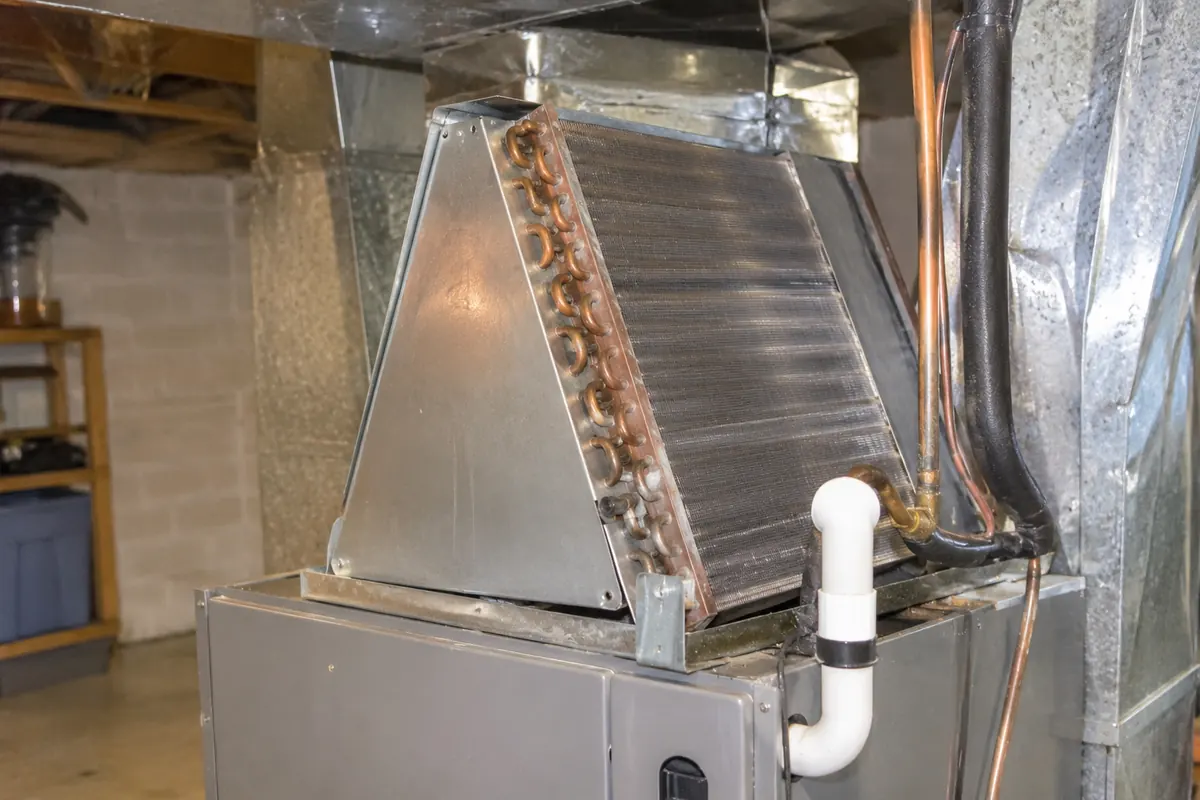
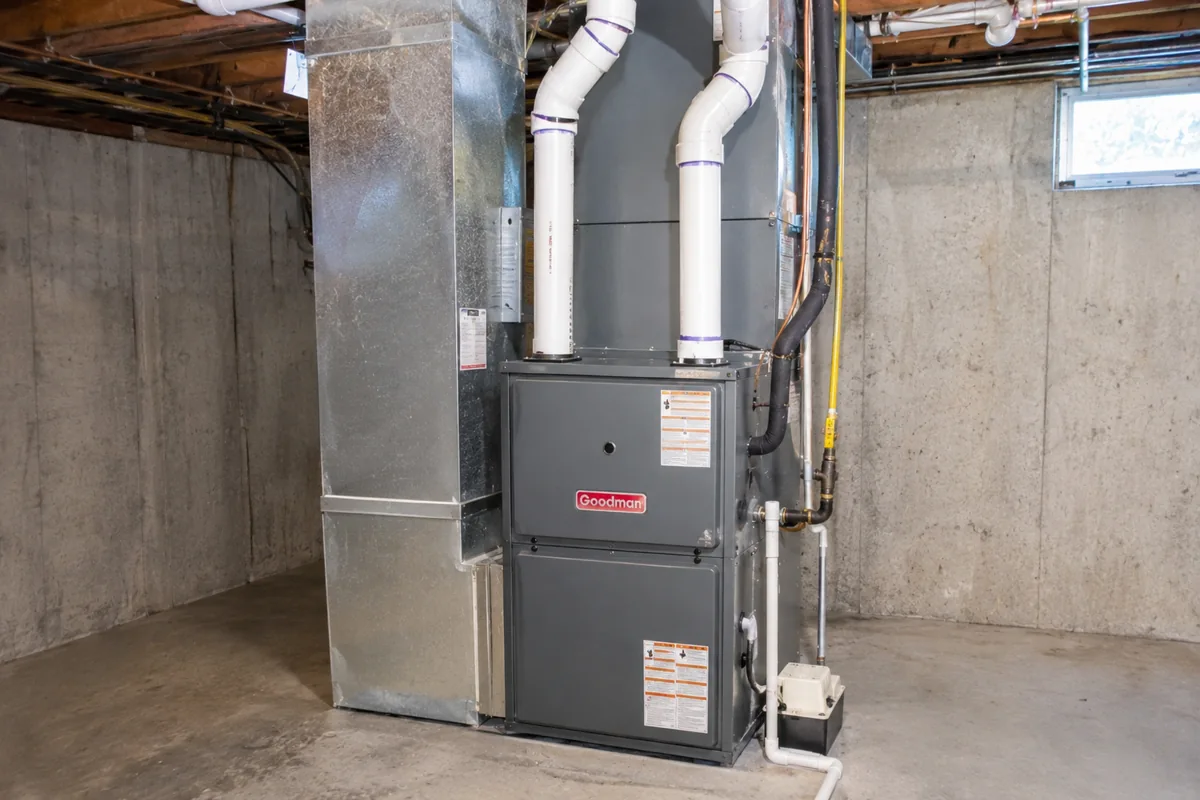
The outdoor condenser works as a pair with the evaporator coil inside, usually sitting on top of the furnace. Replacing only the outdoor half can leave the system mismatched and less efficient.
The line set
The copper lines between the units may be reusable if they are the right size and in good shape. They need to be flushed or replaced when the refrigerant changes or after a compressor burnout.
Ducts, drain and thermostat
A new air conditioner cannot make up for ducts leaking into the attic or a single return serving a whole floor. Condensate lines, float switches and a thermostat that suits the new equipment matter too.
The age of your furnace also plays a part. If it is near the end of its life, replacing both together can save labor and keeps the blower matched to the new coil. If it is newer and healthy, replacing the cooling side alone is common. Our furnace replacement page covers the heating side.
What a Careful Replacement Involves
- Recover the old refrigerant and remove the old condenser and coil.
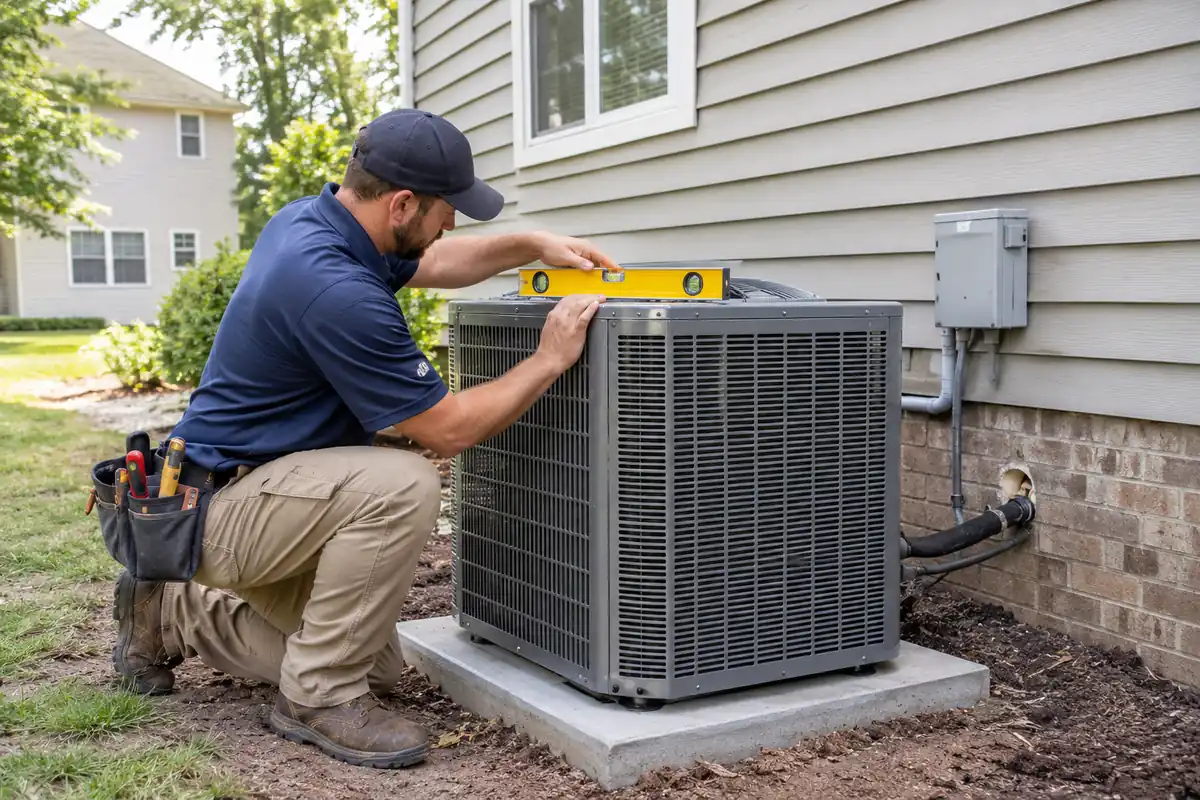
- Set the new outdoor unit level, on a pad, with clearance from walls, shrubs and dryer vents.
- Install the matched indoor coil and connect or replace the line set.
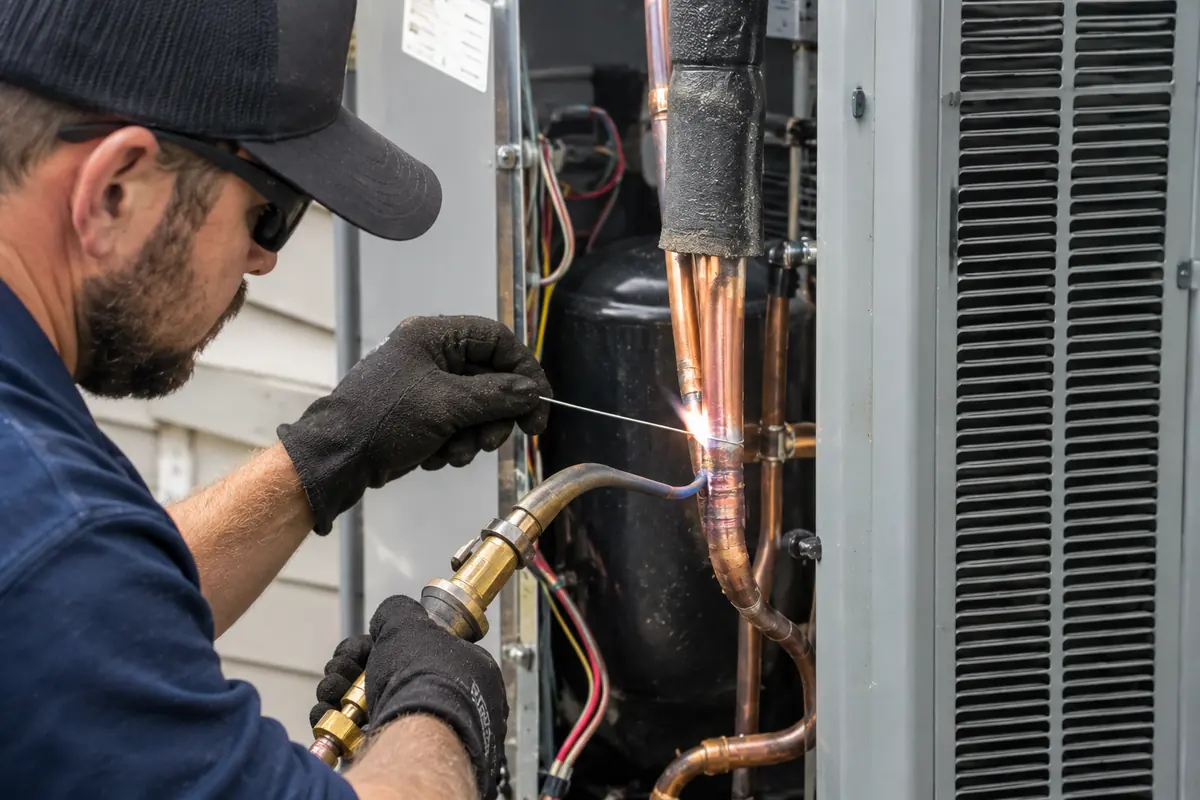
- Braze joints while flowing nitrogen through the lines to prevent internal scale.
- Pressure-test, pull a deep vacuum and confirm it holds before releasing refrigerant.
- Charge the system to the manufacturer’s specification and check temperatures and airflow.
The vacuum step is one many homeowners never hear about, but it removes moisture and air from the lines. Rushing it is a common cause of early compressor trouble, so it is fair to ask how long the vacuum was held.
Permits for an AC Replacement
Replacing a central air conditioner in Lexington generally needs a mechanical permit through LFUCG’s Division of Building Inspection, and only registered contractors can pull one. You can confirm a company’s state HVAC license in the DHBC licensee search. If the house sits in a local historic district and the outdoor unit is moving to a spot visible from the street, ask LFUCG’s historic preservation office whether it needs review.
AC Replacement FAQ
How do I know my AC is worth repairing?
Look at its age, what failed and how often it has needed work. A newer system with a single failed part is usually worth repairing. An R-22 system past 15 years with a compressor or coil failure usually is not.
Will the new air conditioner be the same size as the old one?
Not necessarily. The old unit may have been oversized from the start. A load calculation that accounts for insulation, windows, orientation and air leaks should set the size.
Should I replace my furnace at the same time?
If the furnace is old or unreliable, doing both together saves labor and keeps the blower and coil matched. If it is newer and in good shape, replacing the AC side alone is common.
How long does an AC replacement take?
A straightforward swap of an existing system often takes a day. Duct changes or a new electrical circuit add time.
Can I keep my old line set?
Sometimes. It depends on its size, condition and the refrigerant change. The provider should explain why they are reusing or replacing it.
Will a new AC fix my hot upstairs?
Only if the old equipment was the cause. Duct size, return air and attic insulation are often the real issue, so ask the provider to check them before you decide.
Related Pages
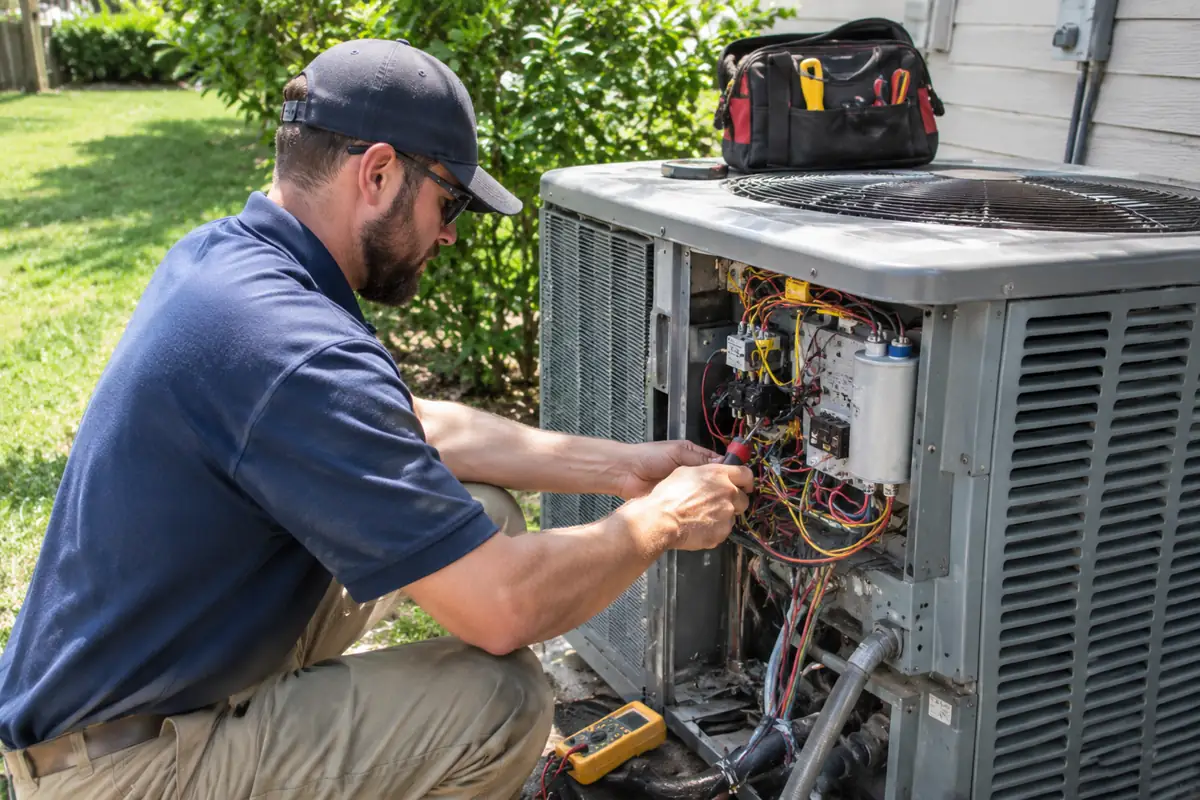
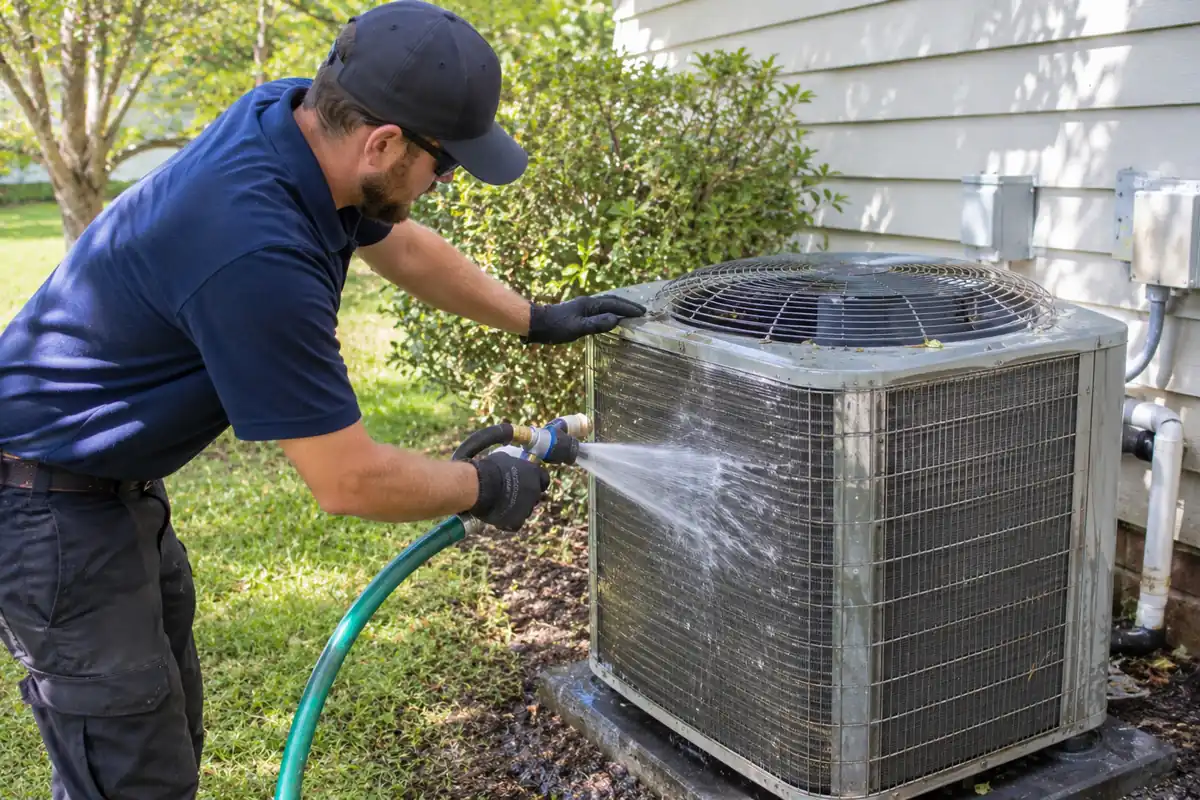
Thinking about replacing your air conditioner? Call to discuss it with a provider near you.
Call (859) 517-8017Sources
- National Weather Service, Lexington normals, 1991–2020
- U.S. Environmental Protection Agency, A Brief Guide to Mold, Moisture and Your Home and Phaseout of Class II Ozone-Depleting Substances
- Kentucky Department of Housing, Buildings and Construction, licensee search