
Lexington-Fayette, one city and one county
Lexington Neighborhoods We Serve
Lexington and Fayette County share one government, so a house in Masterson Station and a house off Chevy Chase deal with the same permit office, the same building code and the same utilities. What differs across the areas we serve is the house itself, and that shapes what goes wrong with its heating and cooling.
- Housing notes for each part of town
- The 14 residential ZIP codes this site covers
- Links to every HVAC service page
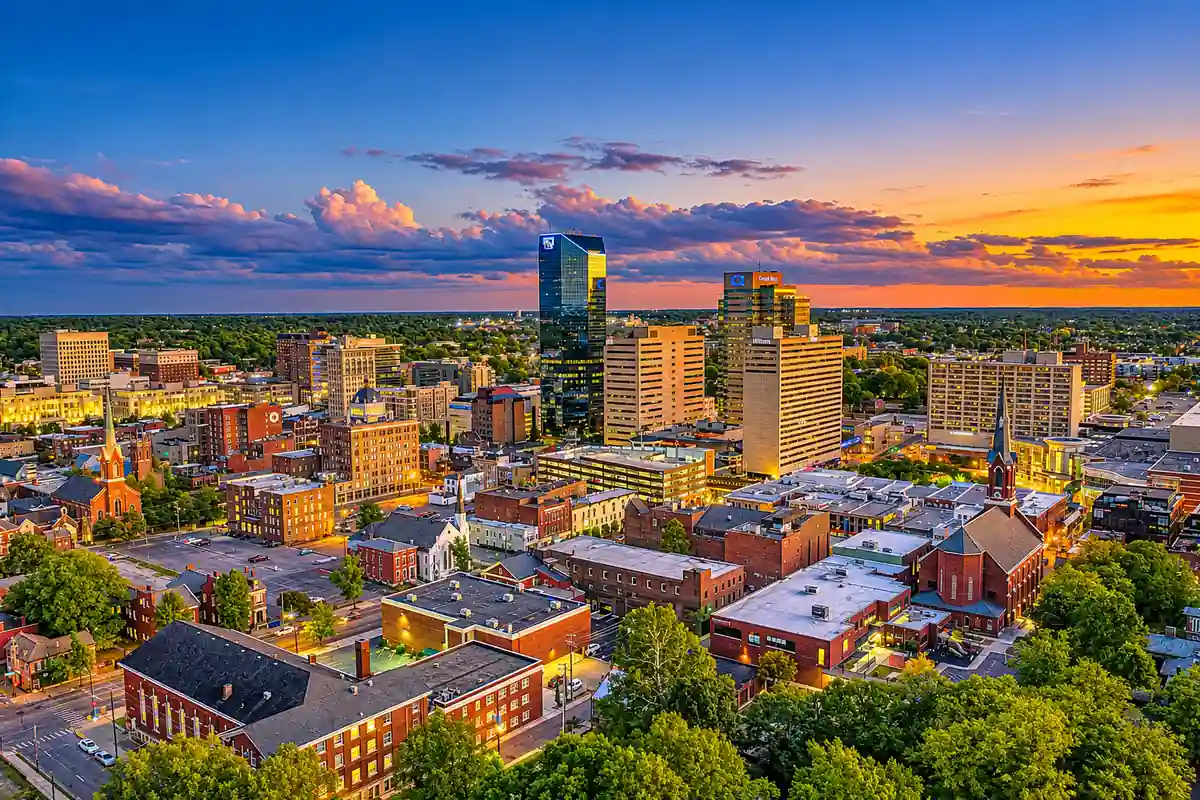
The Areas We Serve at a Glance
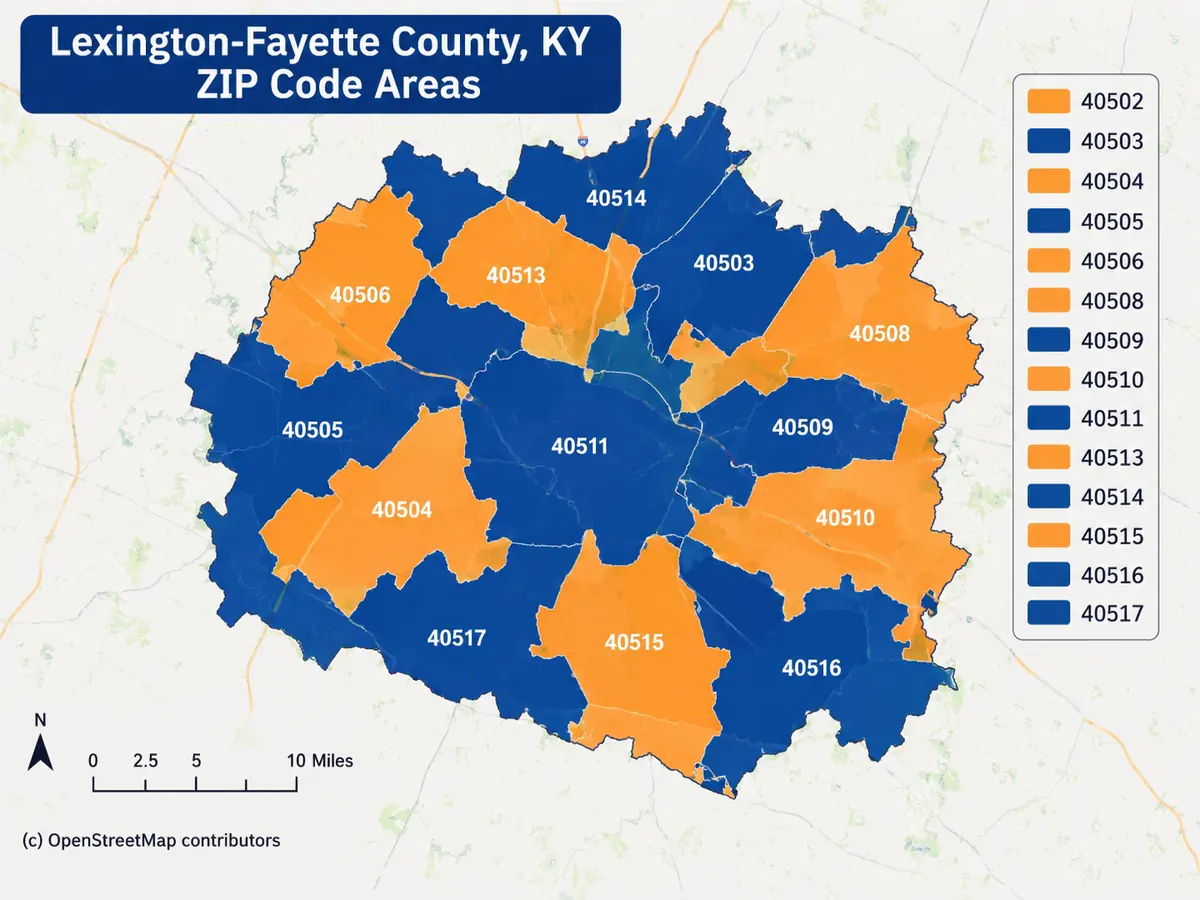
This site focuses on the residential ZIP codes of Lexington-Fayette. We don’t build pages for surrounding towns. Staying inside one city lets us write about the specific housing, weather and permit rules people here deal with, rather than general advice. With about 329,751 residents in the Census Bureau’s July 2025 estimate and roughly 139,700 households, Lexington is large enough that its neighborhoods differ quite a bit from one another.
Neighborhood Guides
Each guide below covers the housing, common heating and cooling problems, and repair-or-replace questions for one part of Lexington-Fayette.
- Downtown, Northside and the East End: older city homes, condos and historic district rules
- Chevy Chase, Ashland Park and Idle Hour: basements, attic air handlers and mature trees
- Castlewood, Kingston and Joyland: 1960s ranches and crawl space ductwork
- Gardenside, Cardinal Valley and Garden Springs: raised ranches, older gas furnaces and rentals
- Southland, Stonewall and Wellington: long-owned ranch homes and cold bedroom wings
- Gainesway, Jamestown and the Tates Creek corridor: electric furnaces, apartments and townhomes
- Hamburg, Andover and Greenbrier: 1990s and 2000s systems reaching replacement age
- Masterson Station and Meadowthorpe: new construction next to mid-century streets
- Beaumont, Harrods Hill and Palomar: larger homes, finished basements and two-system houses
- Hartland and southeast Lexington: homes on their second or third system
- Rural east Fayette County: farms, country homes and propane heat
Older Central Neighborhoods
Chevy Chase and Ashland Park (40502), Kenwick, and the streets of South Hill near downtown hold much of the city’s pre-war housing: brick and frame homes, plaster walls, tall ceilings and basements that were dug for coal furnaces. Central air arrived later, if at all.
What comes up most here:
- Upstairs rooms that run much hotter than the first floor, because ducts were added to attics that were never meant to hold them.
- Gas furnaces in basements venting through old masonry chimneys, sometimes alongside a water heater.
- Homes without any ductwork, where adding central air means planning duct routes carefully to avoid damaging original plaster.
- Historic overlay rules that can affect where an outdoor unit goes on a street-facing side.
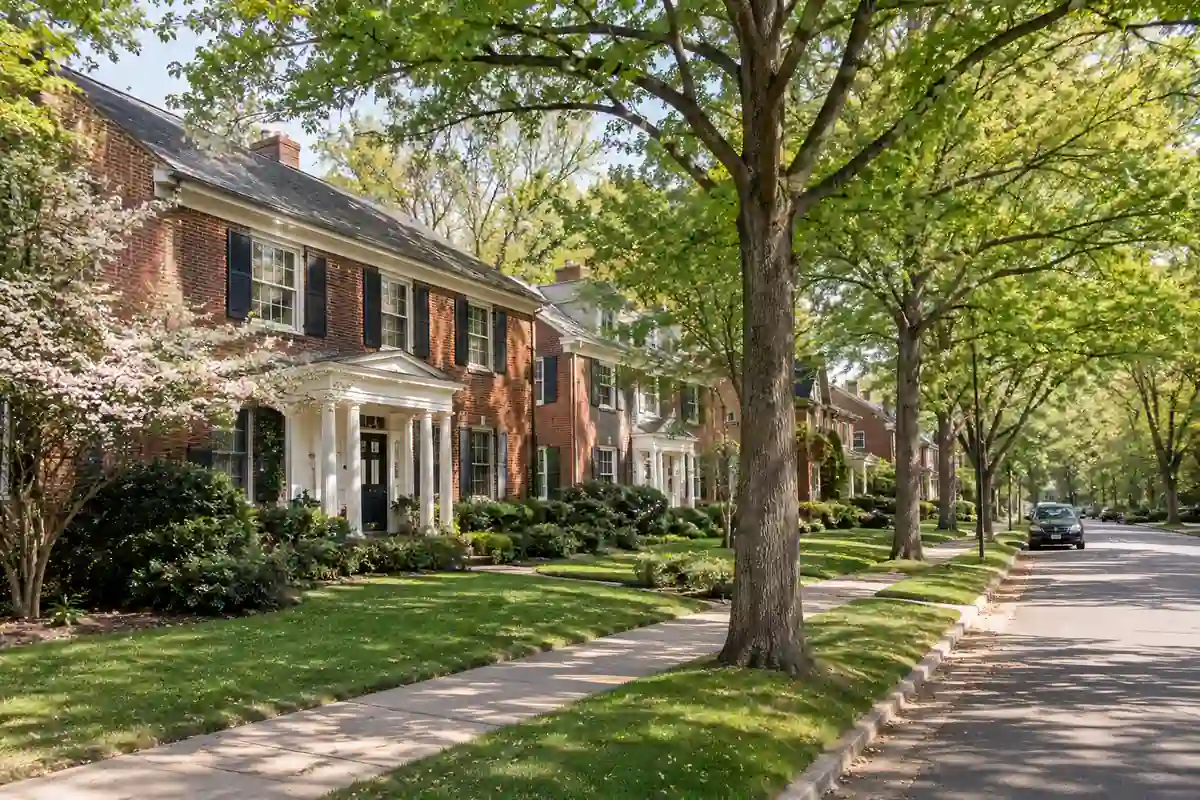
Established Suburbs
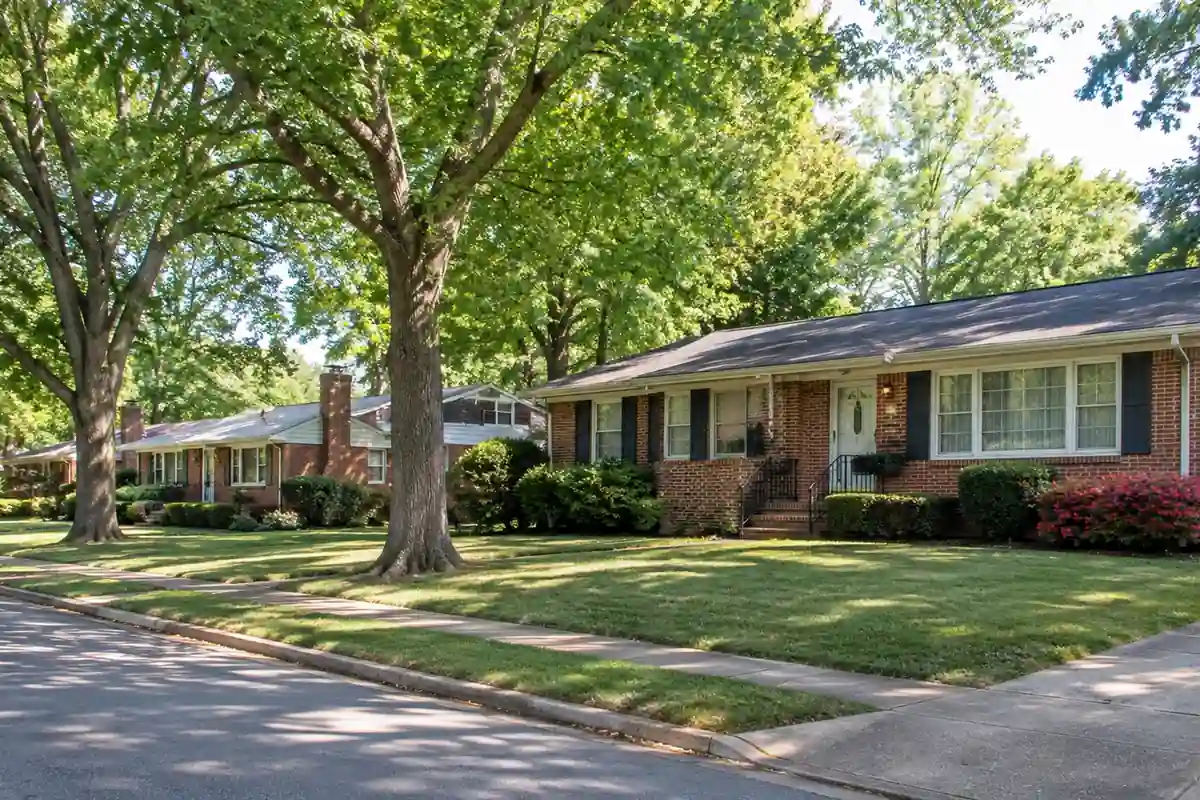
Tates Creek, Lansdowne, Gardenside and Cardinal Valley grew up mostly from the 1950s through the 1980s. Brick ranches and split-levels are common, many built on crawl spaces or partial basements.
By now, most of those houses are on their second or third HVAC system, and the ductwork is often original. That combination explains a lot of local complaints: a new system that never seems as good as promised because it’s pushing air through 50-year-old metal ducts with open seams in a damp crawl space. Before replacing equipment in these homes, an airflow and duct check is time well spent. The furnace replacement and AC replacement pages go into what that check involves.
Newer Growth Areas
On the east and southeast side, Hamburg (40509), Andover and Hartland (40515) filled in mostly from the 1990s through the 2000s. To the southwest, Beaumont and Palomar (40513) followed a similar timeline, and Masterson Station (40511) grew on the northwest edge.
Two-story homes with attic or closet air handlers are typical. Much of that original equipment is now 15 to 20 years old, and some still runs on R-22 refrigerant. This is where you’ll find the most repair-or-replace decisions right now, along with upstairs bedrooms that overheat when an attic air handler bakes in July. If the system is still worth fixing, start with AC repair or furnace repair. If it isn’t, AC replacement covers how to weigh the decision.
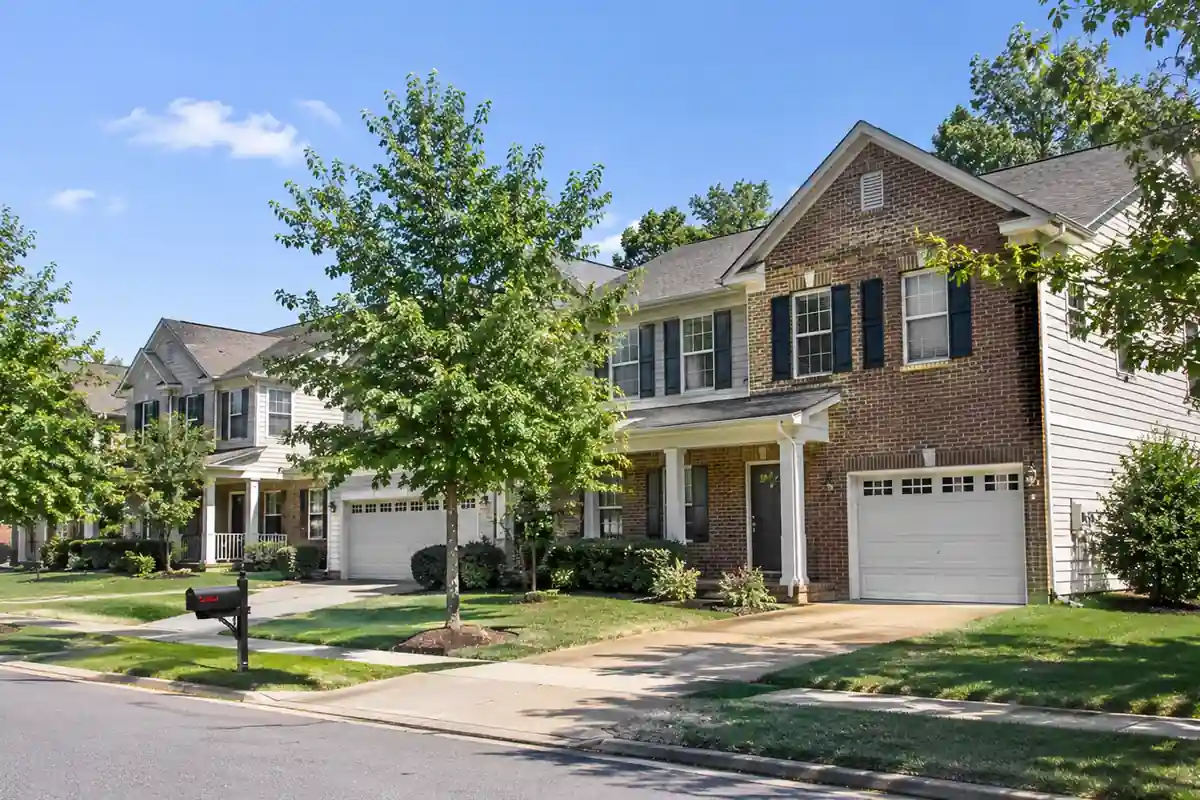
East Side Estates
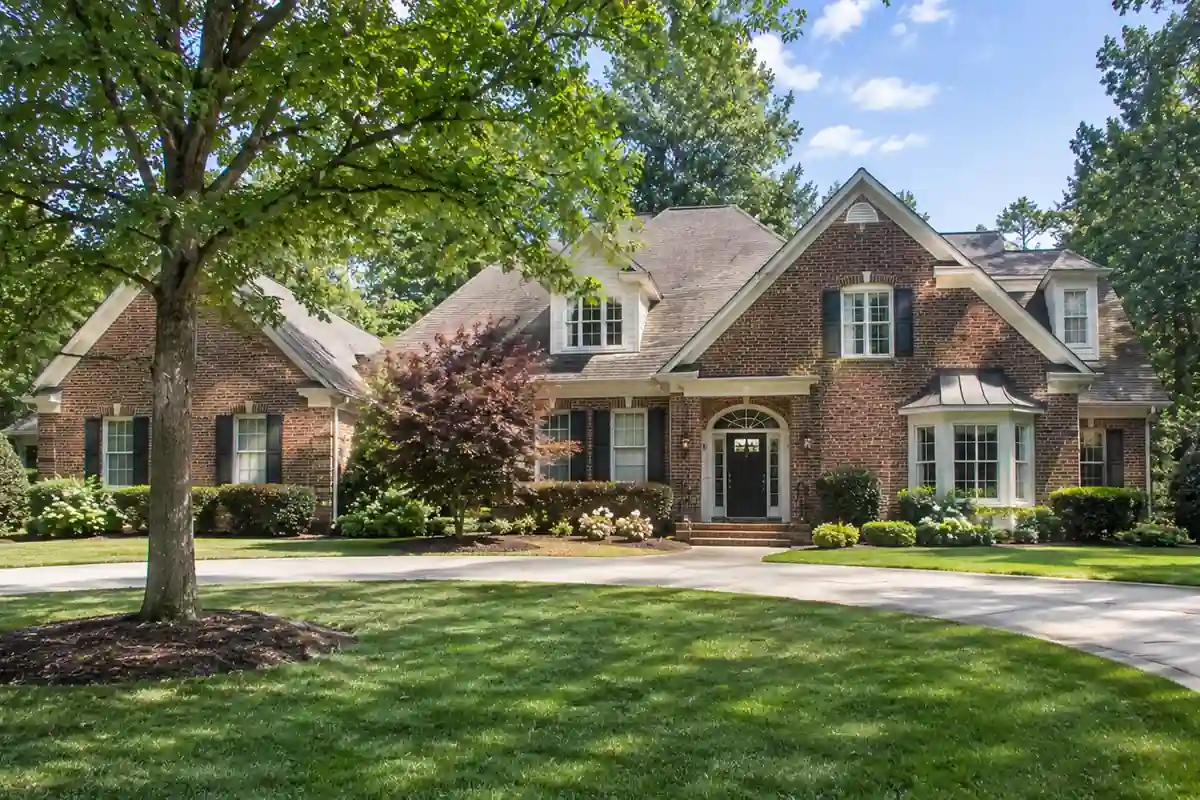
Greenbrier and the larger lots nearby include bigger custom homes, often with two or three separate systems, one per floor or wing. Zoning, finished basements and long duct runs make balancing harder. Keeping each furnace and air conditioner on a regular cleaning schedule matters more when one failure leaves an entire floor without heat or cooling.
Residential ZIP Codes Covered
| ZIP | ZIP | ZIP | ZIP |
|---|---|---|---|
| 40502 | 40503 | 40504 | 40505 |
| 40507 | 40508 | 40509 | 40510 |
| 40511 | 40513 | 40514 | 40515 |
| 40516 | 40517 |
ZIP 40506 serves the University of Kentucky campus itself and isn’t listed separately. If you’re not sure your address falls inside Lexington-Fayette, the USPS ZIP lookup will confirm it.
Services Available Across Lexington
- Furnace repair for gas furnaces that won’t light or keep shutting off
- AC repair for warm air, frozen lines and humidity problems
- Furnace and AC cleaning for the furnace before winter and the AC before summer
- Furnace replacement when a gas furnace has reached the end
- AC replacement when an aging air conditioner is no longer worth repairing
Questions About Coverage
Do you cover areas outside Lexington, like Georgetown or Nicholasville?
No. This site is limited to Lexington-Fayette so the information stays specific to the city’s housing, permits and utilities.
Is every neighborhood in a listed ZIP code covered?
The site covers residential addresses in the listed ZIP codes. Whether a provider can reach you at a particular time depends on their schedule.
Does the permit process differ by neighborhood?
The permit office is the same citywide: LFUCG’s Division of Building Inspection. Homes in local historic districts may have extra review for exterior changes, so check with LFUCG before moving an outdoor unit to a visible spot.
Why does my neighborhood matter for HVAC?
The age of the house affects duct sizes, venting, insulation and the type of system you’re likely to have, all of which shape the repair or replacement options.
I live in a condo or townhome. Is that different?
Often. Outdoor units may be on a shared pad or roof, and the HOA or landlord may control the equipment. Check your agreement before scheduling work.
Live in Lexington-Fayette County? Call to reach a provider who works in your part of town.
Call (859) 517-8017Sources
- U.S. Census Bureau, QuickFacts: Lexington-Fayette urban county, Kentucky
- U.S. Postal Service, ZIP Code Lookup
- Lexington-Fayette Urban County Government, Division of Building Inspection
- Map data © OpenStreetMap contributors