
Gas furnace service across Lexington
Furnace Repair in Lexington, KY
It’s 6 a.m., the thermostat reads 61, and the furnace in the basement clicks, hums and goes quiet again. That cycle is one of the most common winter problems in Lexington, and it usually has a fixable cause.
- What each furnace symptom tends to mean in a Lexington house
- Safety steps for gas smells and carbon monoxide alarms
- What a technician should check before replacing any part
Why Furnaces Struggle Here
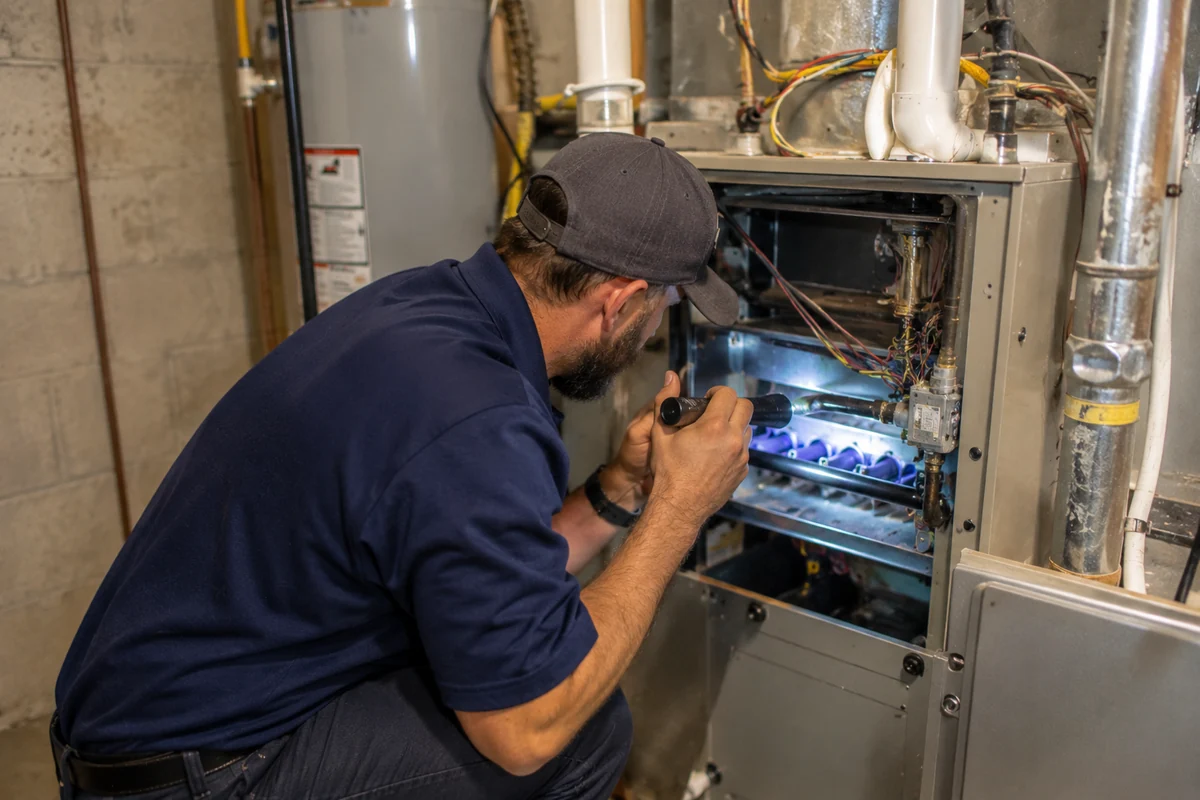
Furnace repair in Lexington follows the calendar closely. The first real cold usually arrives in late October or November, and November alone averages about 11 nights at or below freezing at Blue Grass Airport. That’s the week dormant problems show up: an igniter that cracked during last spring’s final cycle, a flame sensor coated over the summer, or a condensate line that has been slowly filling with sludge.
A few local conditions make it worse:
- Long heating season. Lexington logs about 4,432 heating degree days a year, so a gas furnace here runs for a large share of five months. Parts with a set number of on-off cycles, like igniters and inducer motors, wear out on schedule.
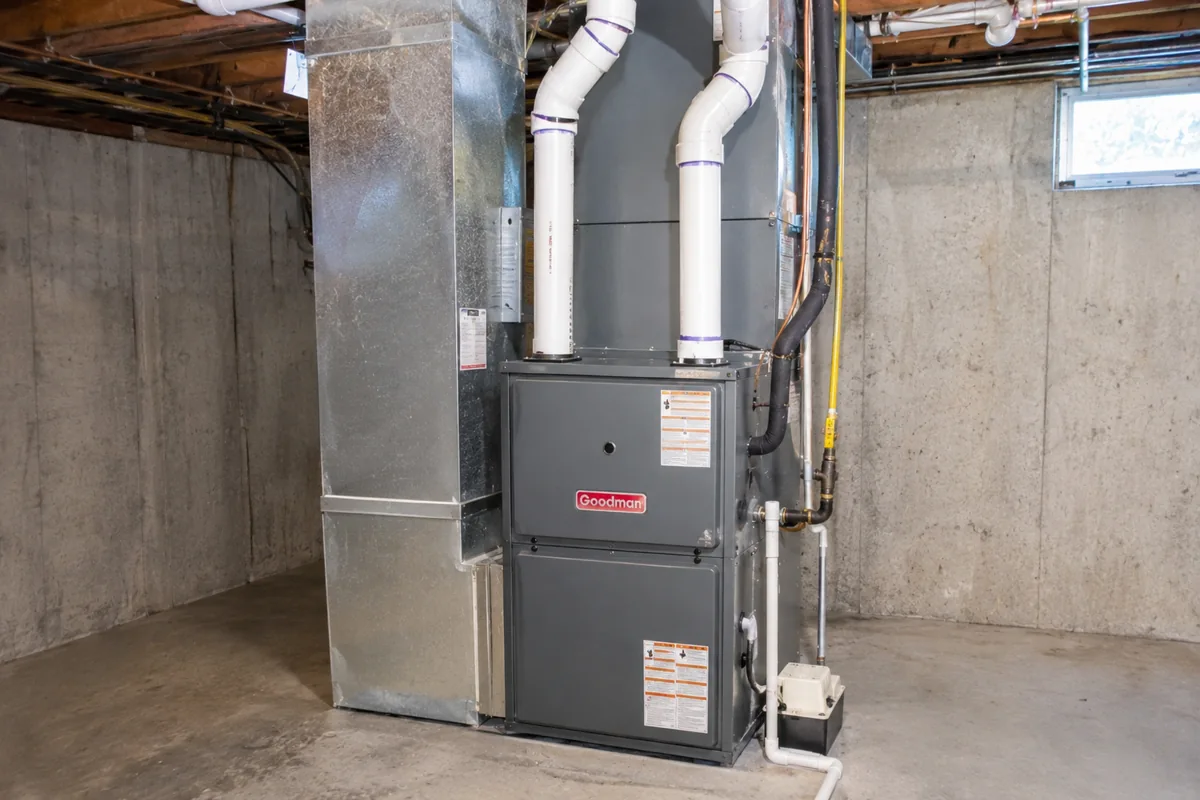
- Basements and crawl spaces. Older homes in Chevy Chase or Kenwick usually have the furnace in a basement that can be damp. Many newer homes put it in a crawl space or a garage closet, where dust and humidity reach the burners and circuit board.
- Side-wall PVC venting. High-efficiency furnaces vent through plastic pipes on an outside wall. Lexington averages about 14.5 inches of snow a year, and a single drift or a pile of leaves over those pipes can shut the furnace down.
- Ice storms and power flickers. A gas furnace still needs electricity for its blower, inducer and controls. Brownouts and repeated restarts during storms are hard on control boards.
Symptoms and What They Usually Point To
It runs, but the air is cold
If the blower is moving room-temperature air, the burners either aren’t lighting or are lighting and then shutting off. A dirty flame sensor is the classic cause. A tripped high-limit switch from a clogged filter is a close second.
It starts and stops every few minutes
Short cycling usually means the furnace is protecting itself. Overheating from poor airflow, a failing flame sensor, or a pressure switch that can’t confirm the vent is clear will all cause it.
Nothing happens at all
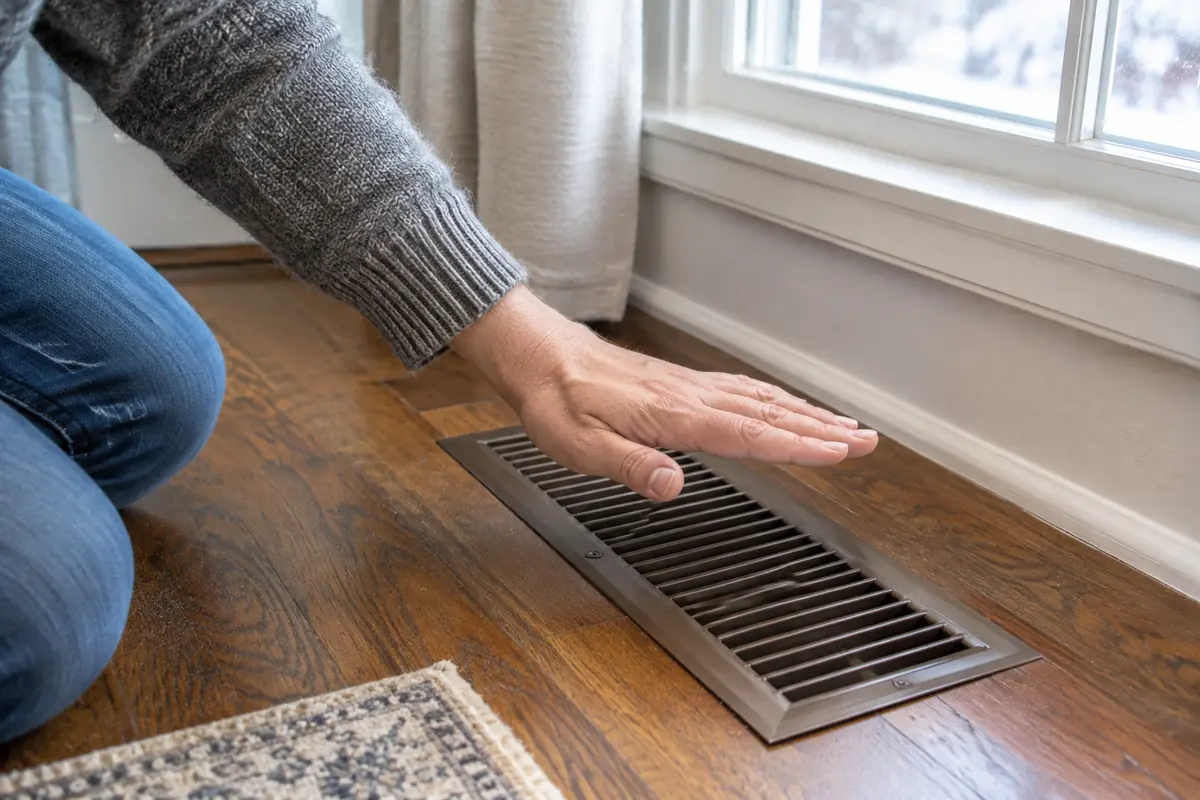
Check the thermostat batteries, the furnace switch (it looks like a light switch, often on the side of the unit or at the top of the basement stairs) and the breaker. If those are fine, a blown low-voltage fuse or a failed control board are common culprits.
New noises or smells
A dusty burnt odor for the first hour of the season is normal. A loud bang at ignition, a high-pitched squeal or a smell of hot plastic isn’t.
Most furnaces have a small window on the lower panel with a blinking LED. Count the blinks and match them to the chart printed on the inside of the panel door. Giving the provider that code saves a lot of guesswork.
The Usual Causes in Lexington Homes
Flame sensor buildup
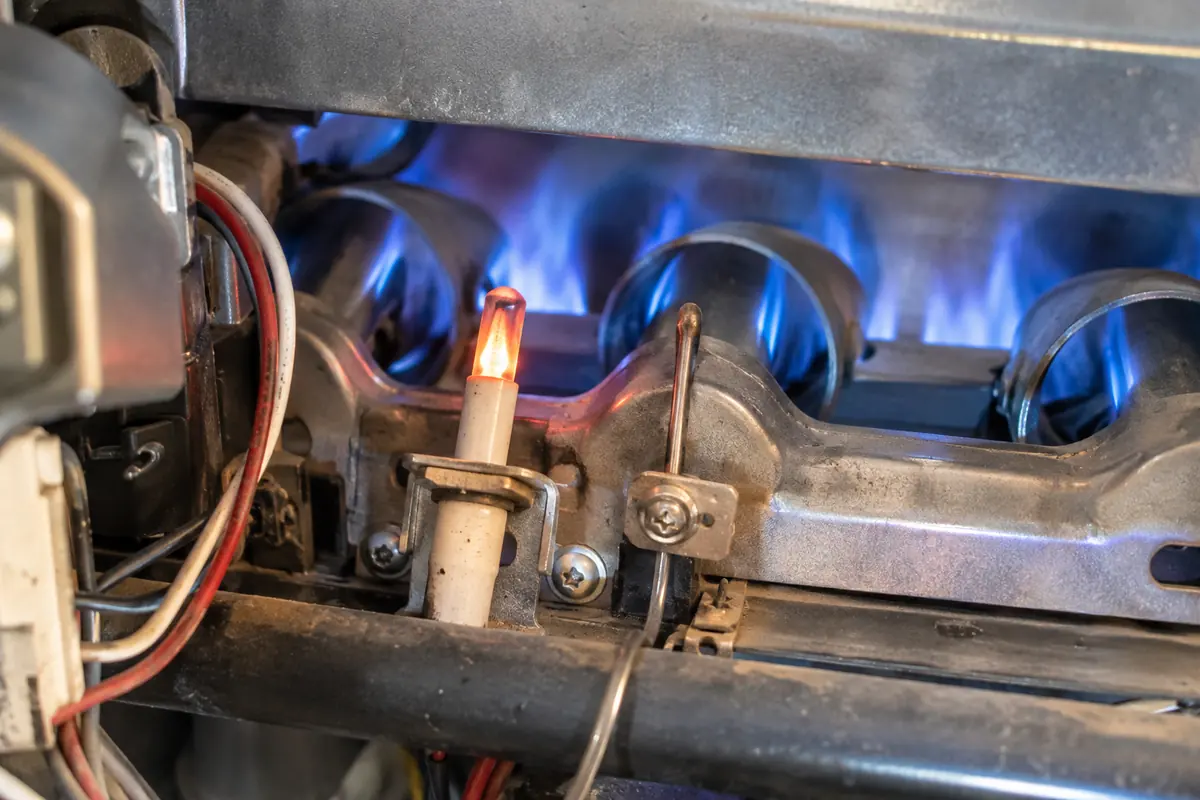
The sensor is a thin metal rod that proves a flame exists. A light coating stops it from reading, so the furnace lights, waits a few seconds and shuts the gas off. It’s one of the most frequent repairs in the first cold month.
Cracked hot surface igniter
Igniters are brittle and wear with every start. One that has a hairline crack may glow on some starts and not others, which is why the furnace “works sometimes.”
Pressure switch and venting faults
Before it lights, the furnace checks that the inducer is pulling exhaust out. A blocked PVC pipe, a cracked hose, water in the condensate trap or a weak inducer motor will stop it here.
Airflow restrictions
A clogged filter, closed registers or a dirty blower wheel cause the heat exchanger to overheat. The high-limit switch trips, the burners shut off and the house slowly cools.
How a Technician Should Work Through It
- Ask what you’ve noticed, read the error code and check thermostat wiring and settings.
- Inspect the filter, blower and return air before touching the burner section.
- Watch a full ignition sequence: inducer, pressure switch, igniter, gas valve, flame, blower.
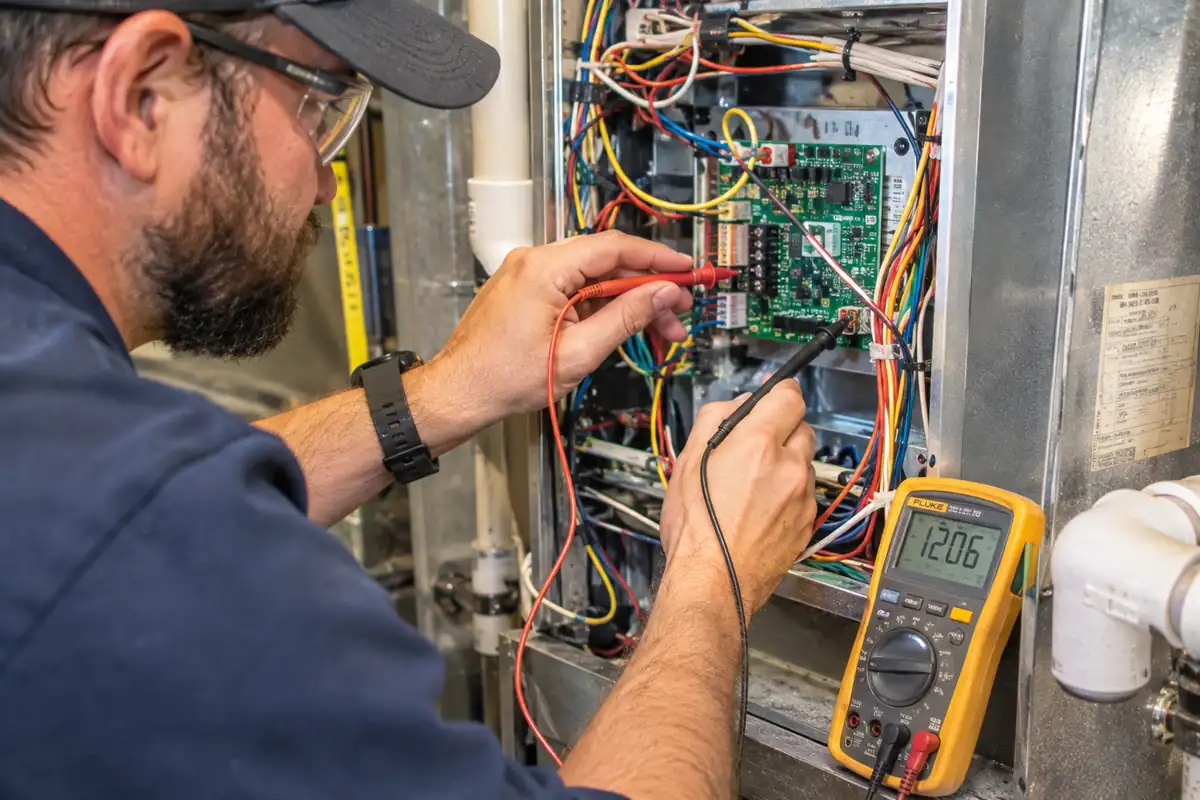
- Test the suspect part with a meter instead of swapping parts until something works.
- Check gas pressure, burner flame and venting, and test for carbon monoxide at the flue.
- Explain what failed, why, and whether anything else is close to failing.
That fourth step matters. Replacing a control board when the real fault is an inexpensive switch is one of the most common complaints people have after a furnace visit. It’s fair to ask how the technician confirmed the failed part.
Safety First: Gas Smells and Carbon Monoxide
If you smell rotten eggs, don’t touch light switches, don’t try to relight anything and don’t wait for a repair visit. Get everyone outside, then call Columbia Gas of Kentucky or 911.
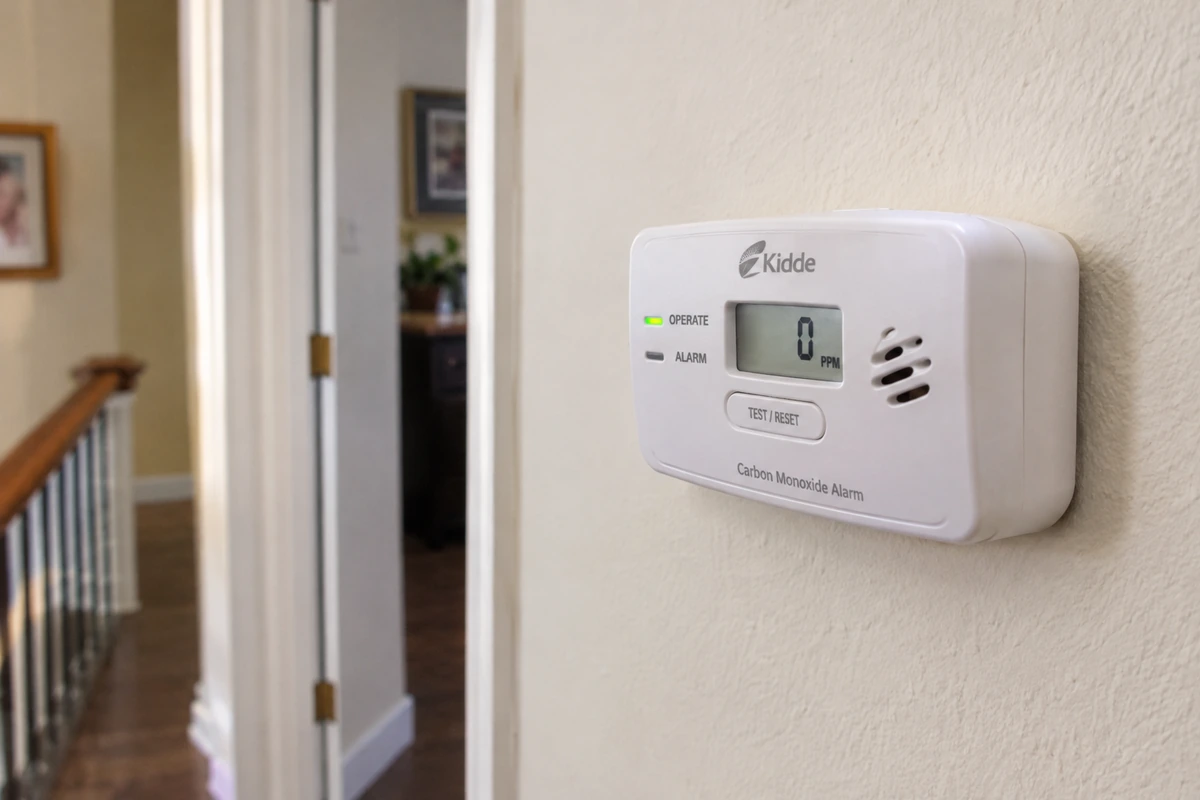
If a carbon monoxide alarm goes off, leave and call 911. Headaches, dizziness or nausea that ease when you go outside are warning signs too. The CDC recommends a battery-powered or battery-backup CO alarm near every sleeping area and a yearly check of gas appliances by a qualified technician.
What You Can Check Yourself, and Where to Stop
Homeowners can safely do a handful of things before anyone visits:
- Replace a dirty filter and make sure the arrow points toward the furnace.
- Confirm the thermostat is set to HEAT and the batteries are fresh.
- Check that the furnace power switch and the breaker are on.
- Clear snow, ice or leaves away from the intake and exhaust pipes outside.
- Make sure the furnace door panel is fully seated. Many furnaces won’t run with it loose.
Beyond that, leave it. Cleaning a flame sensor sounds simple, but on most furnaces it means working inside the burner compartment next to the gas valve. Bypassing a limit or pressure switch to “get heat for the night” can let exhaust back into the house.
Renters and Landlords
If you rent, tell your landlord or property manager in writing, with the date, the indoor temperature and what the furnace is doing. Kentucky leases usually leave furnace repair to the owner, and a written timeline keeps everyone clear. Landlords with several units around campus or along Tates Creek Road tend to see the same igniter and filter failures every winter, so a fall check before the heating season is worth scheduling across the whole portfolio.
Before You Book: What to Have Ready
Write down the furnace’s age (it’s often on the data plate inside the door), any error code, and what happened in order. Ask the provider these questions:
- How will you confirm which part failed?
- Is this part failing because something else is wrong?
- What’s the condition of the heat exchanger and venting?
- If the furnace is over 15 years old, is repair still the sensible choice?
If the answer to that last question is no, our furnace replacement page covers the warning signs, sizing and venting for a new gas furnace.
Furnace Repair FAQ
Why does my furnace blow cold air for a minute when it starts?
Most furnaces run the inducer and igniter first, then open the gas and wait for the heat exchanger to warm before starting the blower. A brief puff of cool air is normal. Cold air for several minutes, or the whole cycle, isn’t.
Is a burning smell on the first cold day a problem?
Usually not. Dust settles on the heat exchanger over summer and burns off in the first hour or so. If the smell lasts past a few hours or smells like melting plastic or wiring, shut the furnace off and have it checked. Our article on the furnace burning smell goes deeper.
My high-efficiency furnace stopped during a snowstorm. Why?
Check the white PVC pipes on the outside wall. Snow or ice over the intake or exhaust trips the pressure switch. Clear them gently, then turn the furnace off and on at its switch.
How long should a gas furnace last in Lexington?
Many run 15 to 20 years with regular service. Heavy use, a damp basement or chronic airflow problems can shorten that.
Does my furnace need power during an outage?
Yes. Even though it burns gas, the blower, inducer and controls are electric. Never run a generator indoors or in a garage to power it.
Can water around the furnace be a furnace problem?
On high-efficiency models, yes. They make condensate that drains through a trap and hose. A clogged trap can leak water and stop the furnace from lighting.
Related Heating and Cooling Help
Furnace and AC cleaning
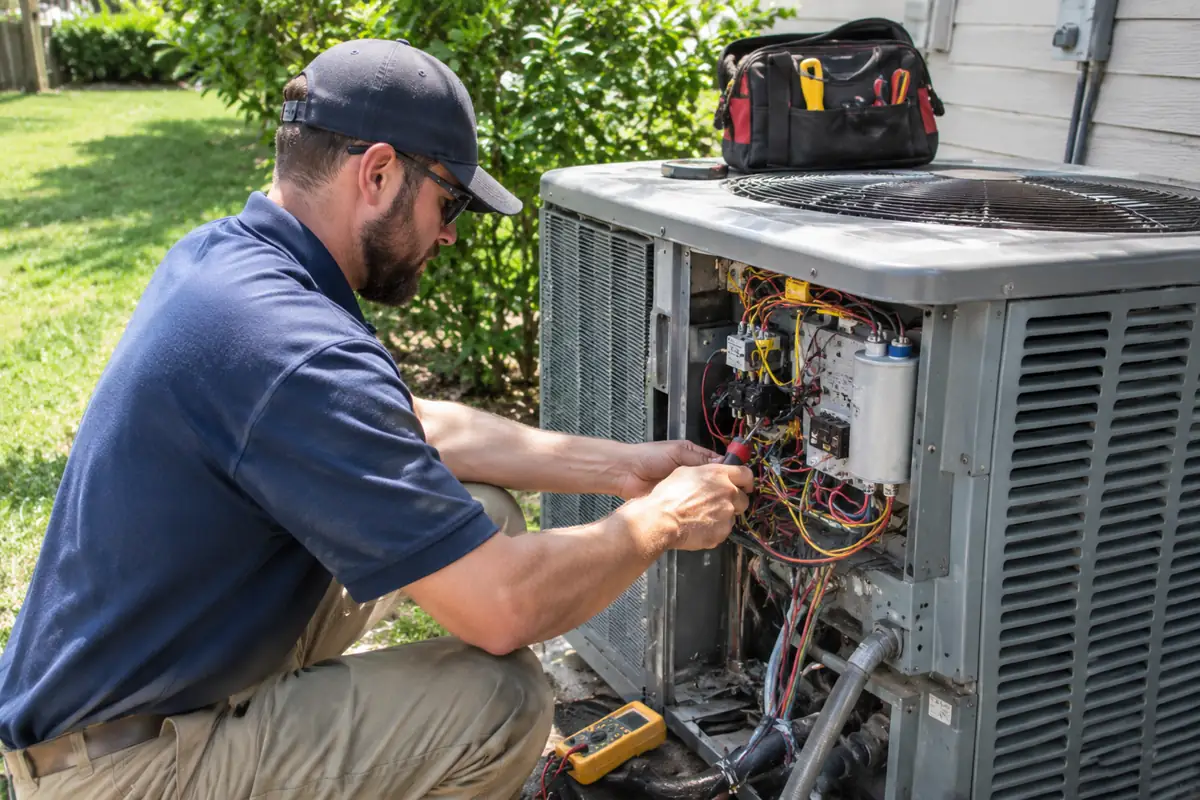
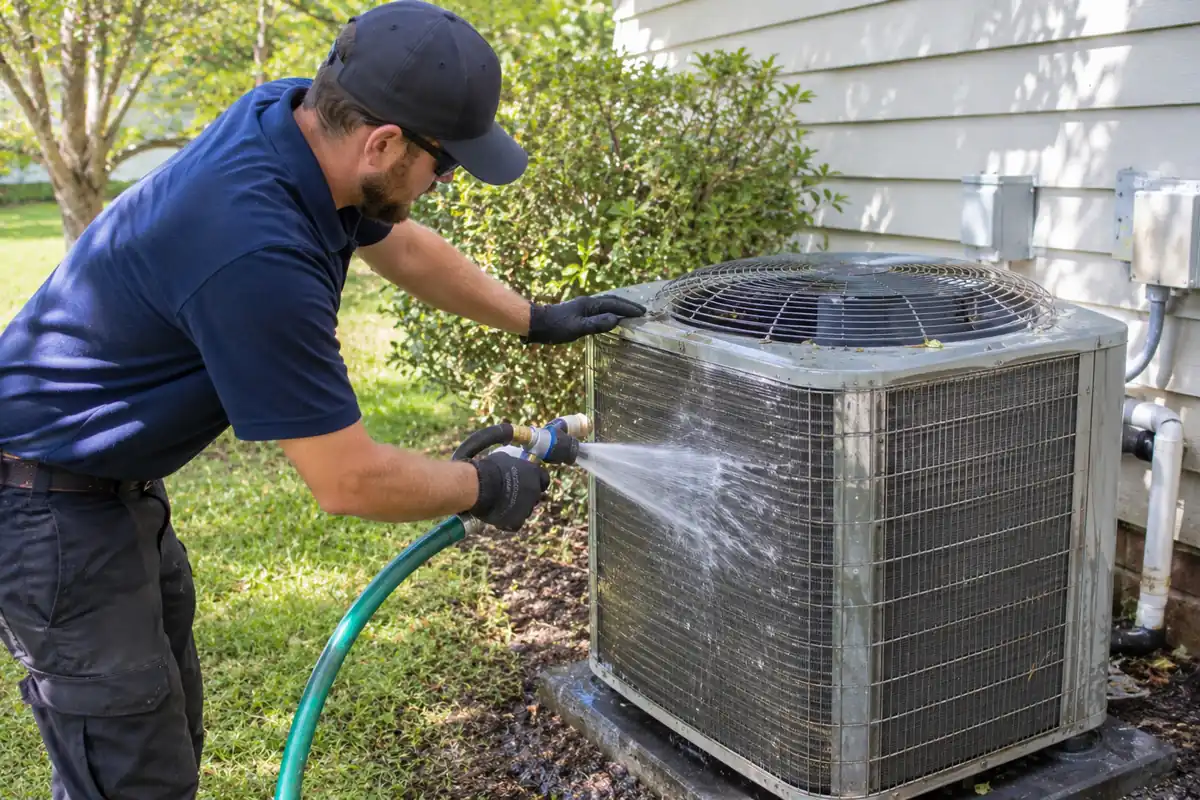
A fall furnace cleaning catches dirty flame sensors and burners before the first cold night.
Furnace acting up? Call to reach an independent HVAC provider who works in Lexington.
Call (859) 517-8017Sources
- National Weather Service, Lexington normals, 1991–2020 and normal number of days
- Centers for Disease Control and Prevention, Carbon Monoxide Poisoning Basics
- ENERGY STAR, Maintenance Checklist