
Lexington, Kentucky heating and cooling
HVAC Company in Lexington, KY
Lexington asks a lot of one system. The equipment that has to push back a humid 90-degree afternoon in July is the same equipment that has to carry a house through about ninety freezing nights a year.
Brevick HVAC Company Lexington connects Fayette County households and businesses with independent local heating and cooling providers, and this site gives you the plain facts first: what your system is probably doing, what it means, and what to ask.
- Furnace and central air problems explained for Lexington houses
- Repair-or-replace advice tied to how old your home and equipment are
- Permit and contractor-license facts checked against official sources
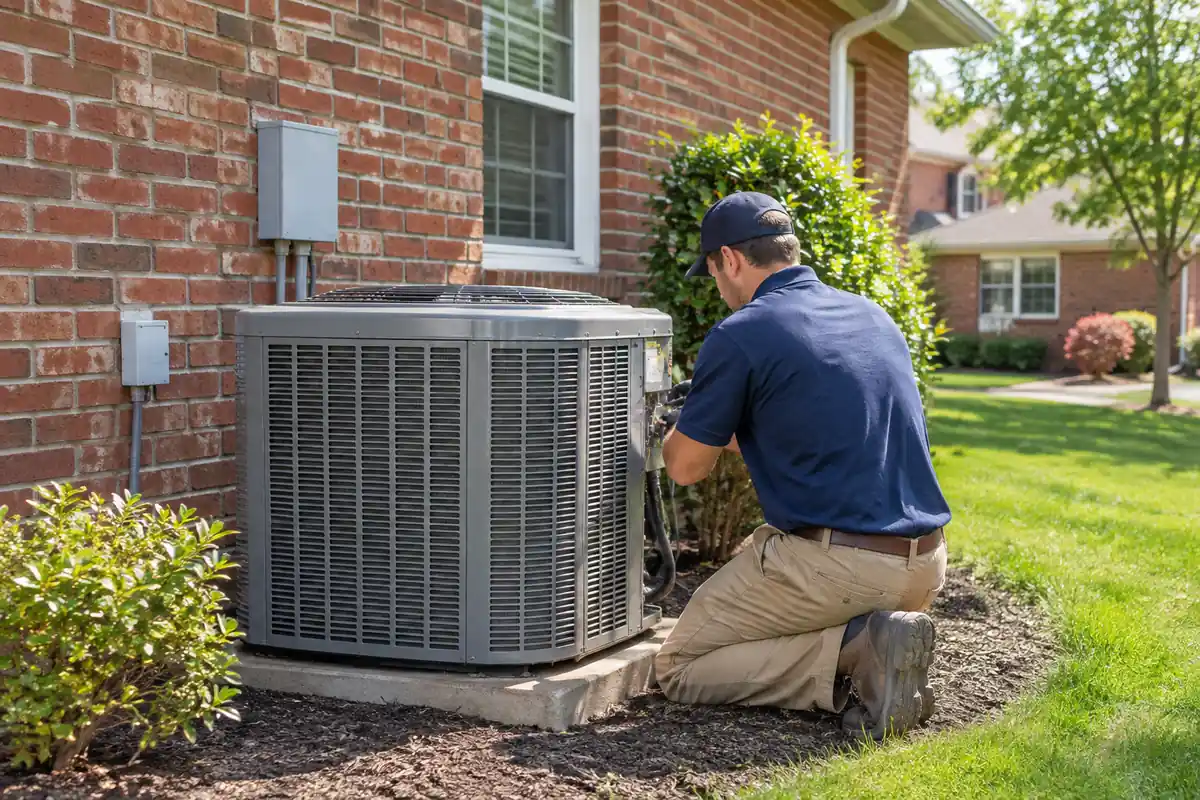
Most people land on an HVAC company’s website at a bad moment. The upstairs bedrooms are 81 degrees and climbing, or the thermostat says AUX HEAT and the electric bill already looks ugly, or there’s a faint burnt smell the first evening the furnace kicks on in October. You want to know two things quickly: is this serious, and who can fix it.
That’s the job of this site. We focus on one city and one trade. Everything here is written about Lexington homes, Lexington weather and the utilities, permits and building stock you actually deal with, from 1920s brick colonials off Chevy Chase to the builder-grade heat pumps that went in across Hamburg and Masterson Station in the 2000s.
Why Lexington Homes Are Hard on HVAC Systems
Plenty of cities are hot, and plenty are cold. Lexington’s problem is that it’s moderately both, plus humid, plus prone to ice. That combination wears on equipment in ways a single-climate city doesn’t.
Two seasons of real work
National Weather Service normals for Blue Grass Airport show about 25 days a year at 90°F or hotter and about 90 nights at or below freezing. Heating degree days (4,432) outnumber cooling degree days (1,289) by more than three to one, so the heating side of your system works harder over a year than most people assume.
Humidity that outlasts the heat
July here averages a high of 86.9°F, but the sticky part is moisture. An air conditioner that’s oversized or low on refrigerant can hit the thermostat setting and still leave the house clammy. The EPA suggests keeping indoor humidity between 30 and 50 percent, and many Lexington homes drift well above that by August.
Housing that spans a century
The city’s older core has plaster walls, small duct runs or no ducts at all, while the outer neighborhoods are full of 1990s and 2000s tract homes on slab or crawl space. A fix that suits one doesn’t always suit the other, which is why the age of the house matters as much as the age of the equipment.
Ice, wind and freeze-thaw
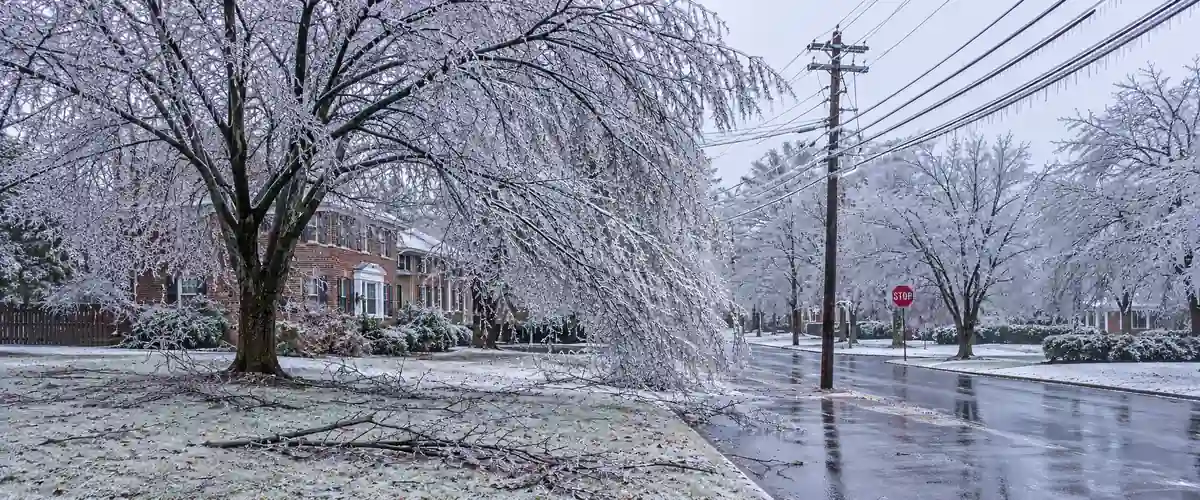
The January 2009 ice storm left 609,000 Kentucky homes and businesses without power, the largest outage in state records. Ice loads on outdoor coils, branches dropping onto condensers and power flickers that stress compressors are all part of owning HVAC equipment here.
Heat Pump, Gas Furnace or Central AC: What Lexington Homes Run On
Kentucky Utilities supplies electricity across Lexington, and Columbia Gas of Kentucky supplies natural gas where lines run. That leaves most houses with one of three setups. Knowing which one you have changes what a “no heat” or “no cooling” problem usually turns out to be.
| Setup | How it heats | How it cools | What tends to go wrong here |
|---|---|---|---|
| Heat pump with electric backup | Pulls heat from outdoor air; electric strips help on cold nights | Same outdoor unit runs in reverse | Aux heat running too often, iced coils, defrost faults, failed reversing valves |
| Gas furnace with central AC | Burns natural gas from Columbia Gas | Separate outdoor condenser and indoor coil | Igniters, flame sensors, pressure switches, clogged condensate lines |
| Dual fuel (heat pump plus gas furnace) | Heat pump on mild days, furnace on the coldest ones | Heat pump | Bad changeover settings, so the costlier fuel runs when it shouldn’t |
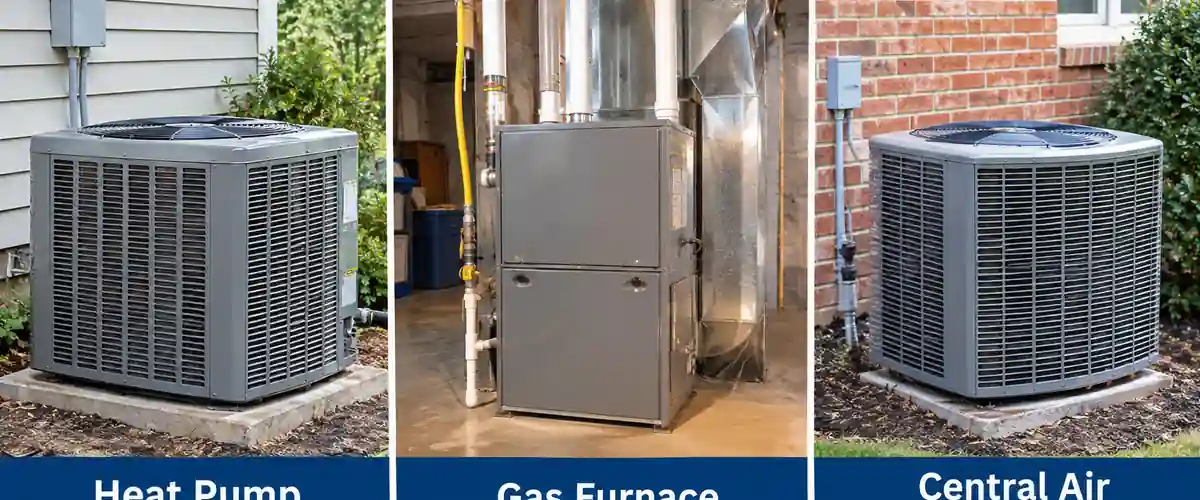
If you’re weighing a switch, the cost of a kilowatt-hour from KU against a therm from Columbia Gas decides a lot, and so does whether your ductwork can move enough air for a heat pump. Our blog post on choosing a heat pump or gas furnace for a Lexington winter walks through that comparison in detail.
Signs Your System Needs Attention
Some symptoms can wait for a weekday appointment. Others are your equipment telling you it’s about to quit. These are the ones Lexington homeowners describe most often:
- The thermostat is set to 70 and the house won’t climb past 66 on a 25-degree night.
- AUX HEAT or EM HEAT shows on the display for hours at a time when it’s only in the 40s outside.
- Air from the vents feels lukewarm in winter or barely cool in summer.
- The outdoor unit is buzzing, humming without the fan turning, or covered in a solid block of ice.
- Water is pooling around the indoor unit or the furnace in the basement.
- The furnace lights, runs a few seconds and shuts off, over and over.
- Your KU bill jumped and the weather didn’t change much.
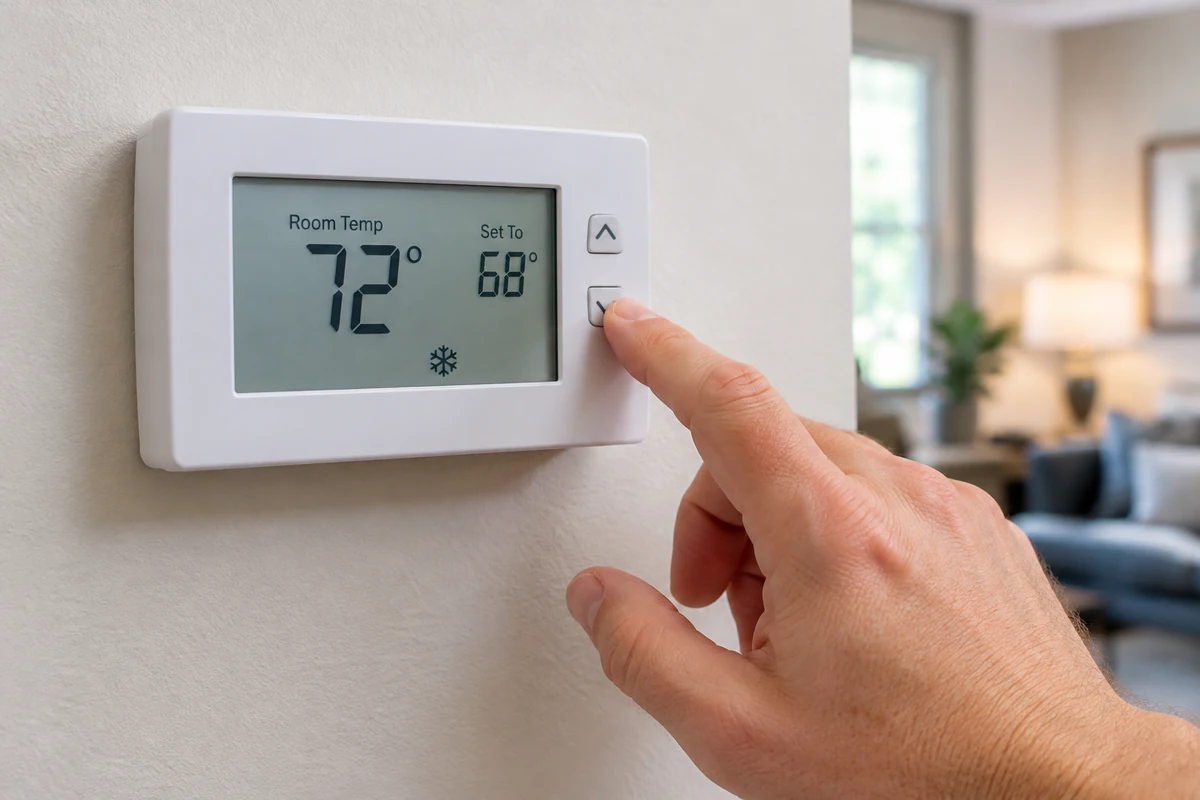
Lukewarm air from a heat pump on a cold morning isn’t always a breakdown; defrost cycles cause it too, and our article on a heat pump blowing cold air shows how to tell them apart. A smell of rotten eggs or a carbon monoxide alarm is a different category. Leave the house first, then call Columbia Gas or 911 from outside. A repair provider is the next call, never the first.
How a Referral Through This Site Works
We don’t send our own crews, and we won’t pretend otherwise. Brevick HVAC Company Lexington is the connector between you and independent local HVAC providers who do the diagnosis and the work.
- Call (859) 517-8017.
- Your call connects directly to an independent local HVAC provider serving Lexington.
- The provider talks with you about your repair, replacement or cleaning and gives you their own quote.

Before that first conversation, jot down three things: the type of system (heat pump, furnace, or both), roughly how old it is, and exactly what you’ve noticed. “It’s blowing cold air for a few minutes every hour and there’s steam outside” leads somewhere much faster than “the heat’s acting weird.” The full process, including what we do with your information, is on the How It Works page.
HVAC Services in Lexington
Each service below has its own page with Lexington-specific causes, a step-by-step look at how the work is usually done, questions to ask and answers to common worries.
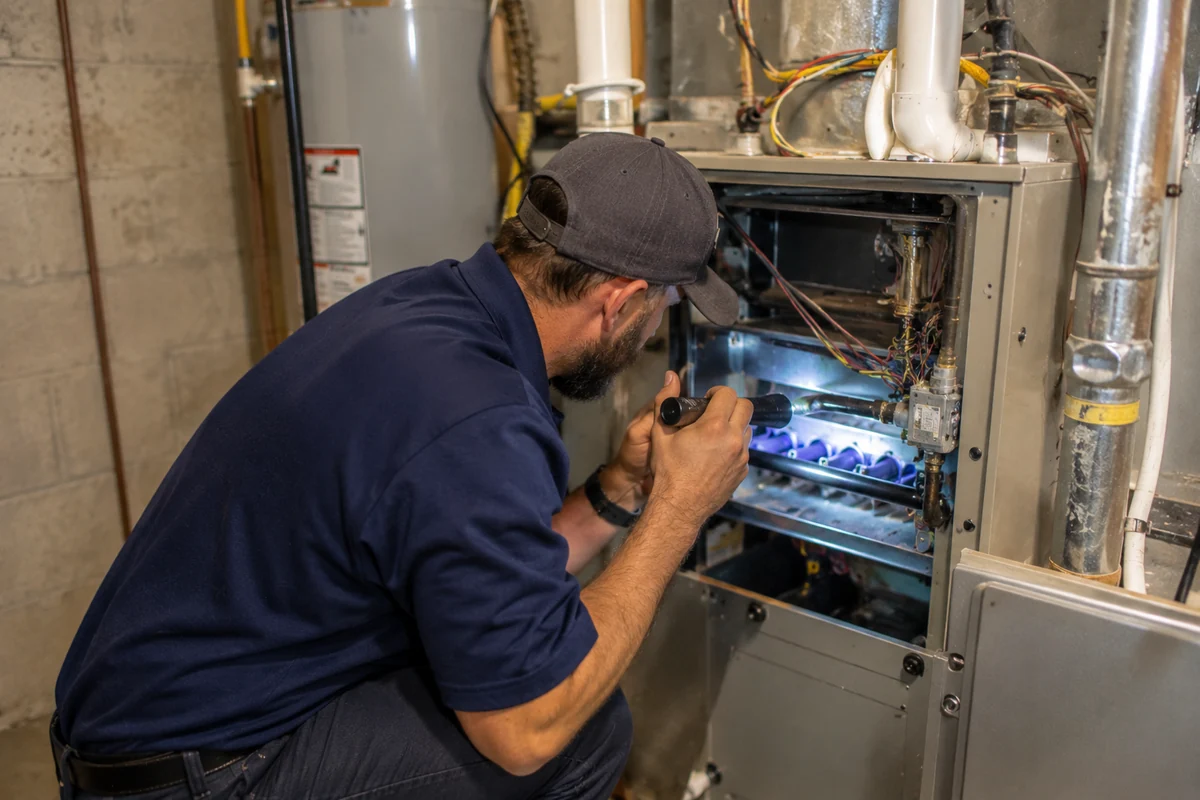
Furnace Repair
Gas furnaces that won’t light, short-cycle or blow cold air, plus the safety checks that come first.
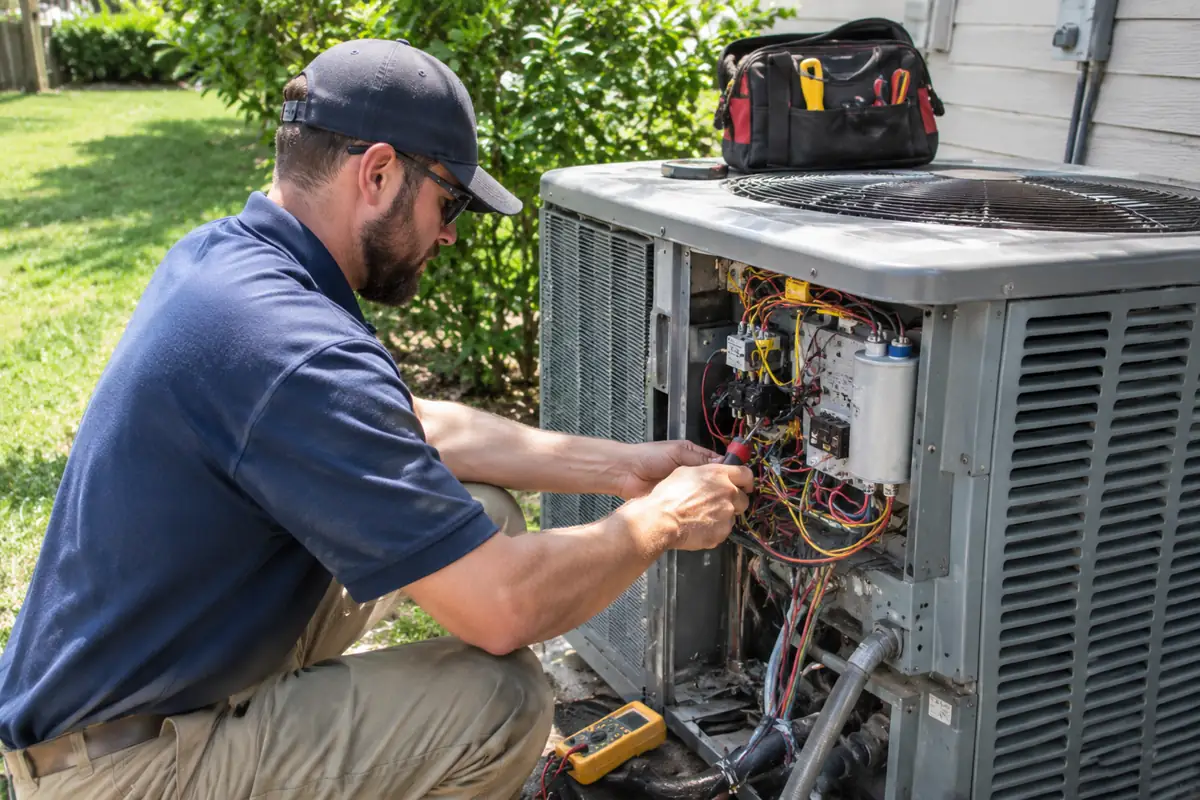
AC Repair
Warm air, frozen lines, tripped breakers and the humidity problems that come with a struggling air conditioner.
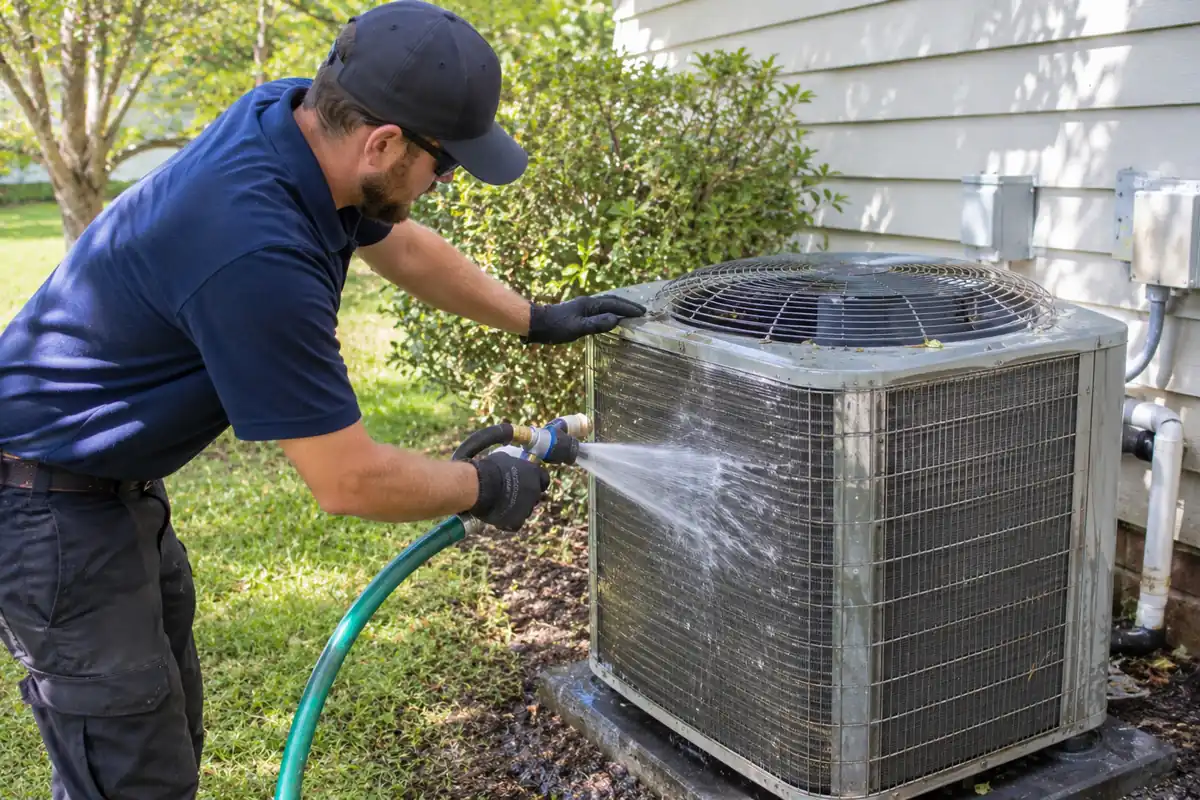
Furnace & AC Cleaning
Furnace cleaning before the first cold snap, and AC cleaning after cottonwood and pollen season.
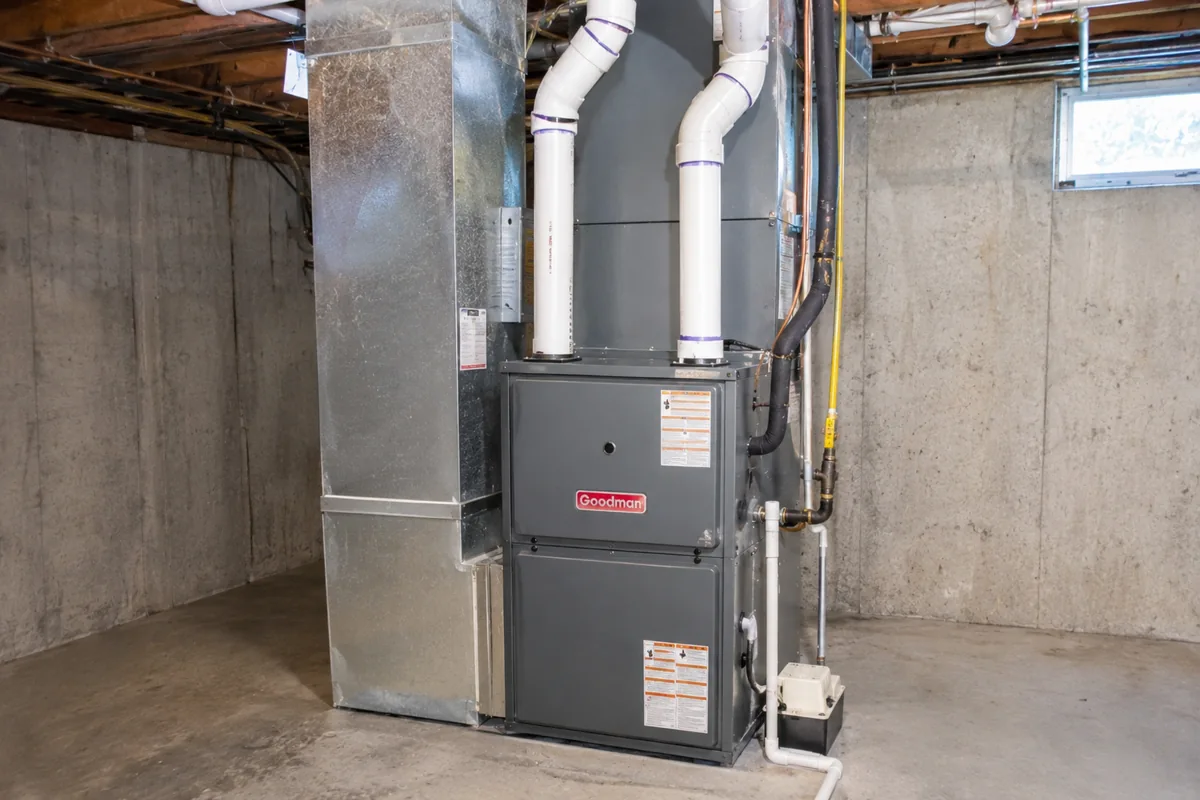
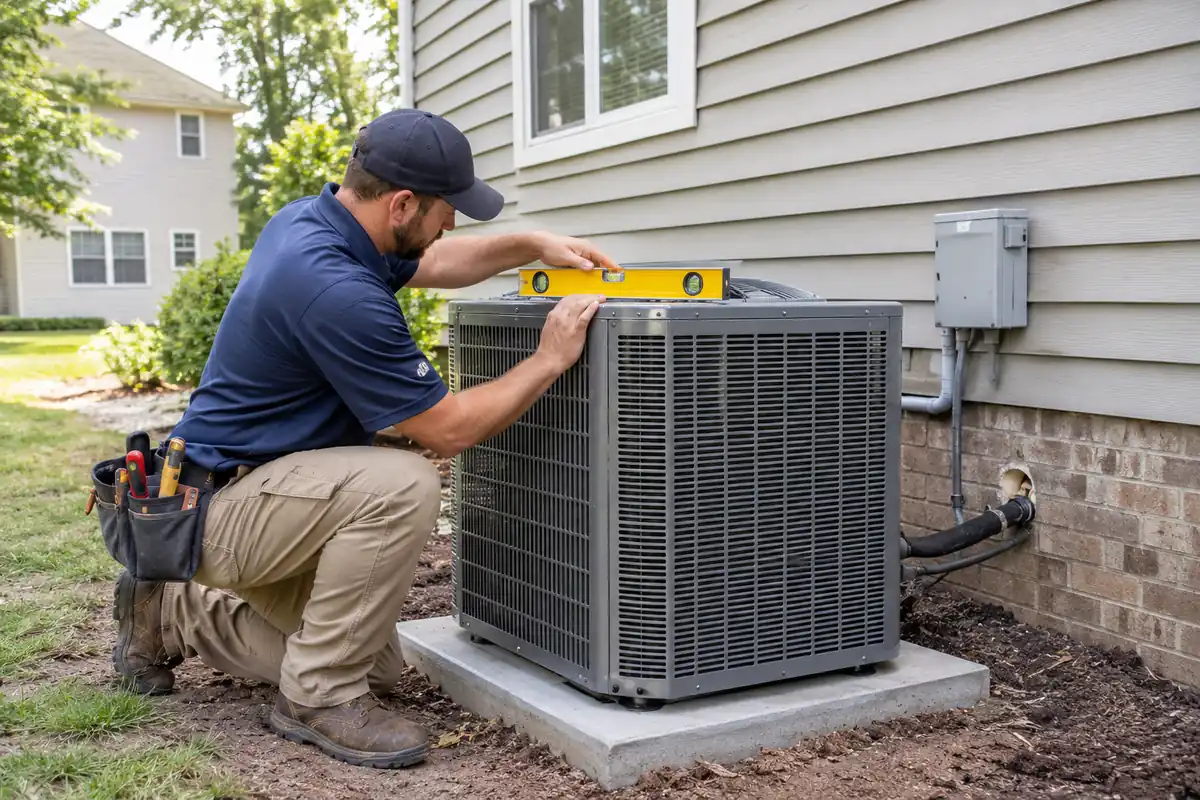
AC Replacement
When an aging, failing air conditioner is no longer worth repairing, and how to weigh the decision.
Not sure which of these fits? The services overview sorts them by symptom so you can find your starting point.
Older Homes, Crawl Spaces and Lexington HVAC
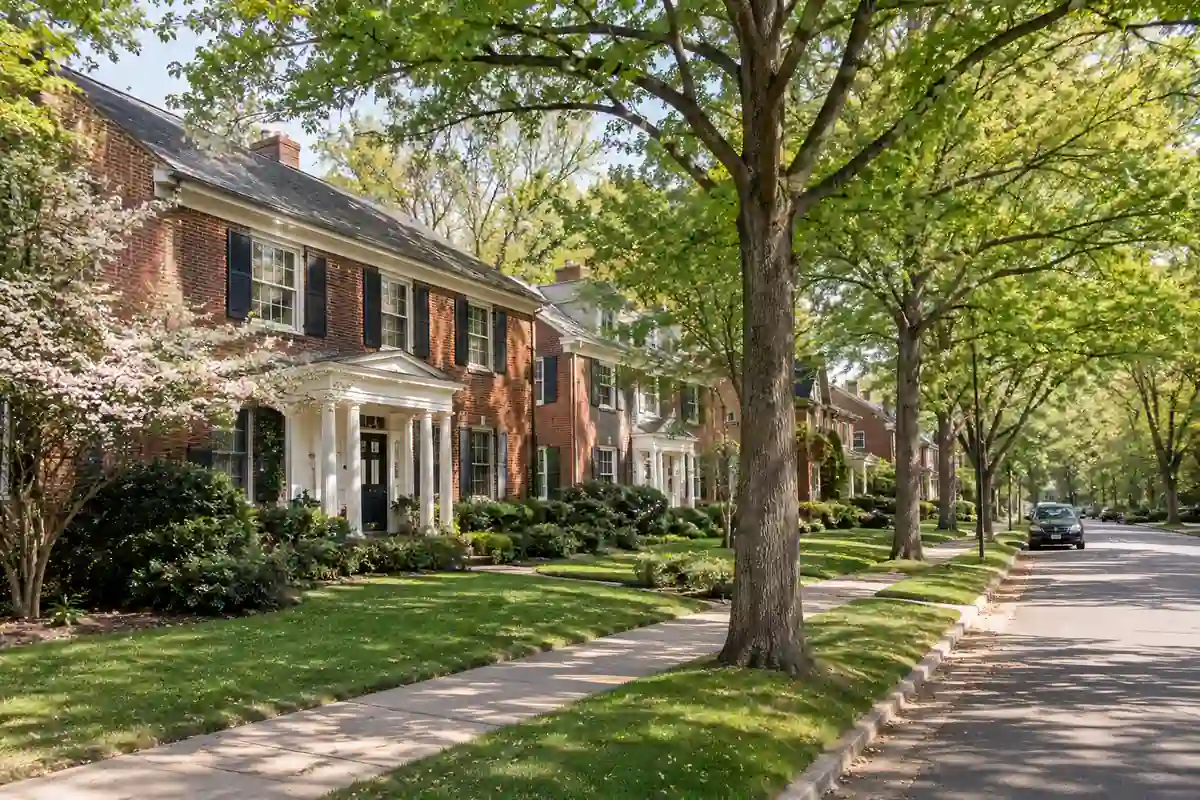
The neighborhoods inside New Circle Road were mostly built before central air was standard. A lot of those houses got air conditioning later, squeezed into attics, closets and chases that were never designed for it. You’ll see the same pattern again and again: a second floor that runs five or six degrees warmer than the first, undersized return air, and ducts that leak into an unconditioned attic.
Those homes also tend to have older gas furnaces, some on their second or third replacement in the same basement spot. Venting that worked for an 80 percent furnace in 1995 may not suit a 95 percent condensing model today, so a replacement there is rarely a simple swap.
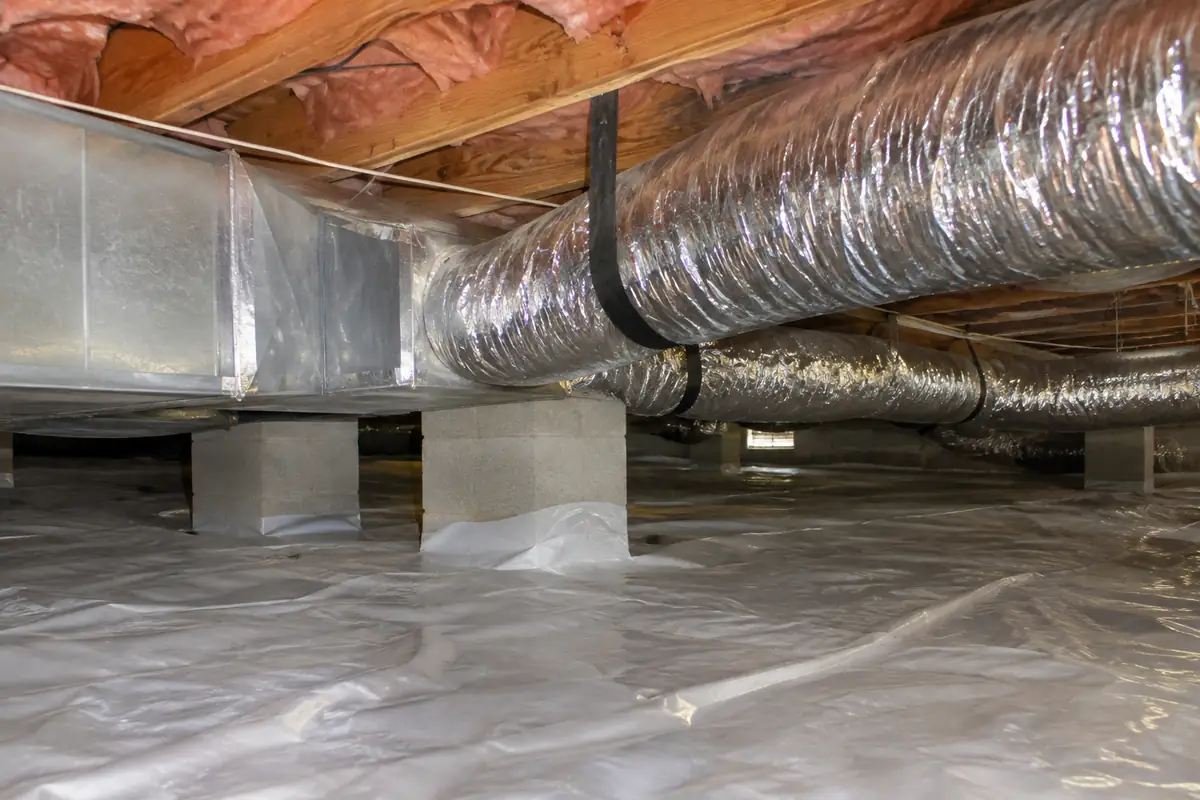
Further out, many homes sit over vented crawl spaces. Ductwork running through a damp crawl space picks up humidity in summer and loses heat in winter, and a torn vapor barrier or crushed flex duct can quietly undo a perfectly good system.
Fayette County also falls in EPA radon Zone 1, the highest-potential category. Radon isn’t an HVAC problem, but any work that changes how air moves through a crawl space or basement is a good moment to test for it.
Lexington HVAC Season by Season
Winter (December to February)
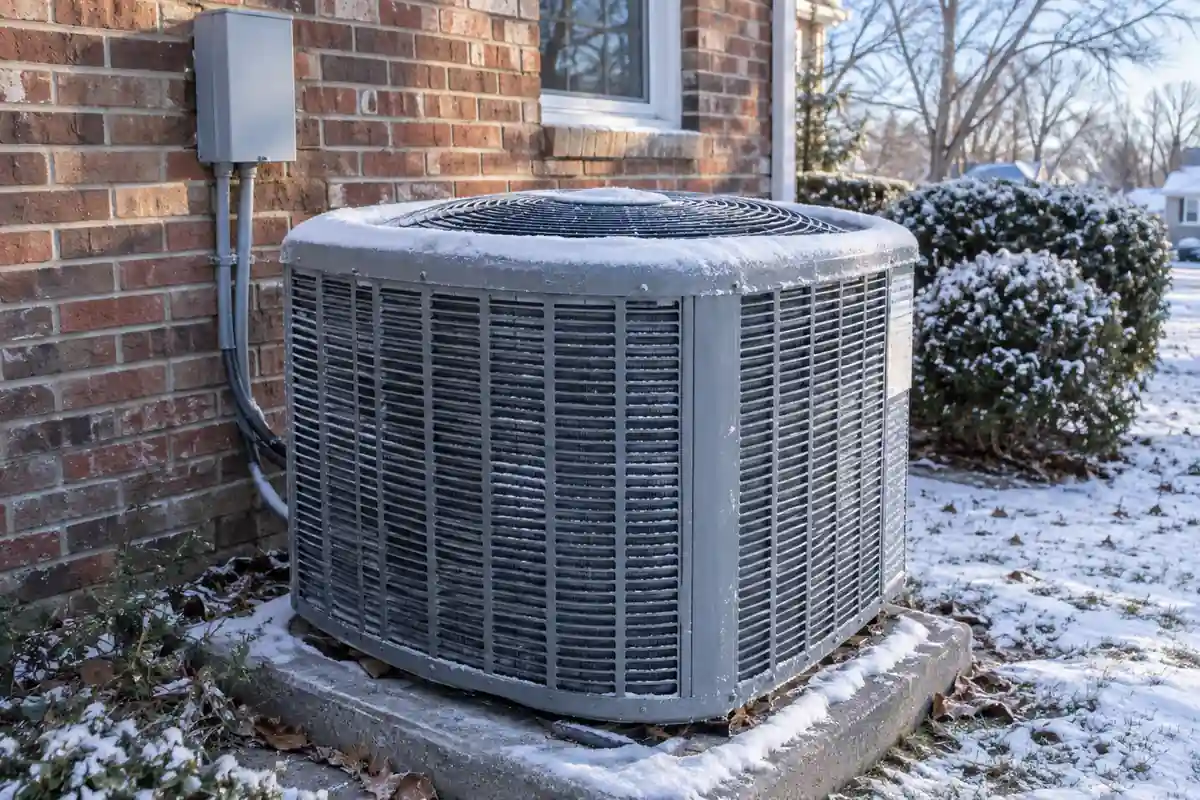
January averages a low of 25.4°F at the airport, and freezing nights stack up, about 23 in January alone. This is when heat pumps lean on backup heat strips, when furnaces with dirty flame sensors start failing on the coldest morning of the week, and when a forgotten filter finally chokes airflow. It’s also when ice settles on outdoor units after a freezing-rain event.
Spring (March to May)
Thirteen or so March nights still dip below freezing, then the swing begins: heat in the morning, cooling by afternoon. Cottonwood fluff and tree pollen pack into condenser fins in April and May, and that’s the easiest moment to have the outdoor coil cleaned before summer.
Summer (June to September)
July brings about nine days at 90°F or more on average. Capacitors and contactors fail most in this stretch, condensate drains clog with algae, and undersized systems run all day without catching up. If your air conditioner hasn’t been checked since last year, a June visit beats a July breakdown.
Fall (October and November)
The first cold snap is when a furnace’s summer of dust burns off the heat exchanger, a smell our post on the furnace burning smell explains, and when homeowners discover the igniter that cracked last spring. November averages about 11 freezing nights, so a heating check in October leaves time to fix something before it matters.
For Renters and Landlords
Renters
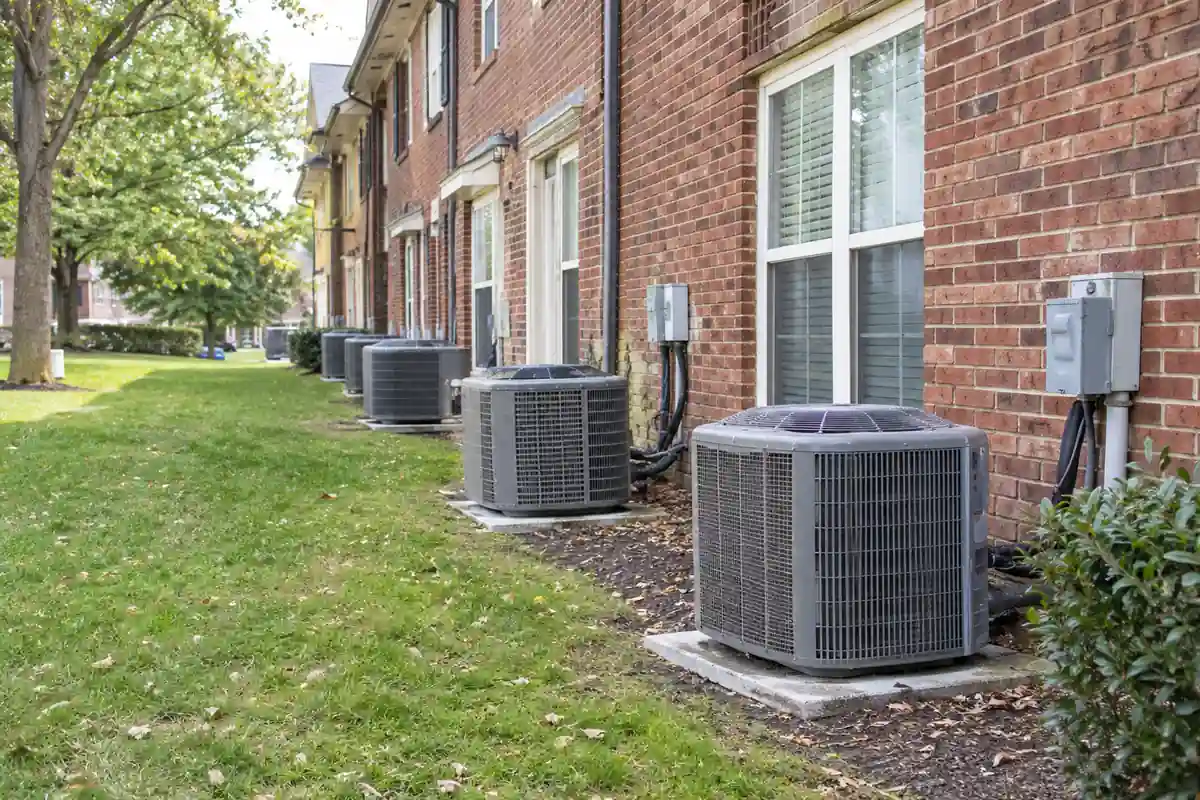
In most leases the landlord or property manager owns the equipment. Put the problem in writing with the date, the indoor temperature and what you’ve already tried, like a new filter or a reset breaker. That record helps when the repair needs approval.
Landlords and property managers
Rental units near campus and along Nicholasville Road and Richmond Road turn over often, and filters get forgotten between tenants. Scheduling an AC cleaning around move-out dates catches clogged drains and dead capacitors before a new tenant moves in to a hot apartment.
Why Quick Fixes Don’t Always Hold
A lot of repeat service calls trace back to a first visit that treated the symptom instead of the cause. These are the patterns worth questioning:
- Refrigerant added to a system with no leak search. If it was low, it’s leaking, and it will be low again.
- A capacitor replaced on a condenser that’s overheating because the coil is matted with cottonwood.
- A flame sensor cleaned on a furnace whose real issue is poor venting or a weak inducer motor.
- Aux heat blamed for a high bill when the heat pump itself has stopped producing heat.
- A bigger unit suggested to fix rooms that are actually starved by leaky or undersized ducts.
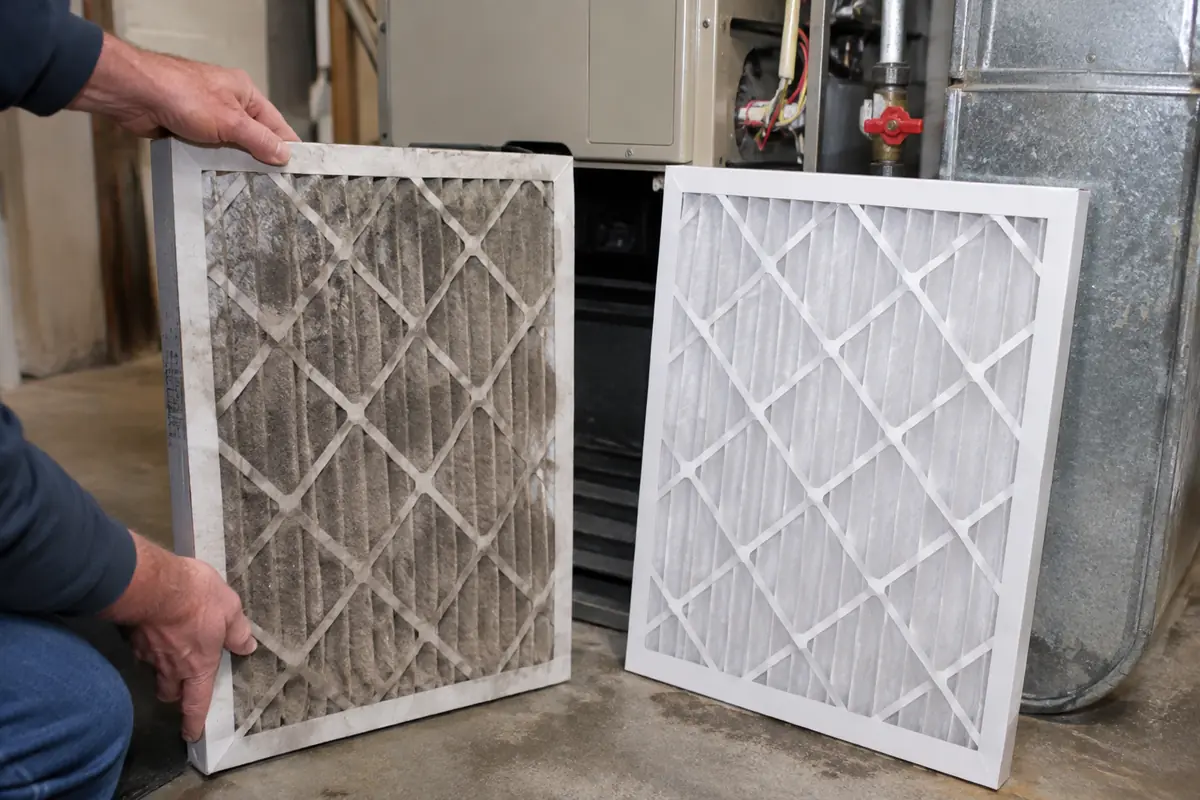
Asking “what caused this part to fail?” is fair at every visit. A good technician will have an answer.
What a Struggling System Costs You While You Wait
Higher electric bills
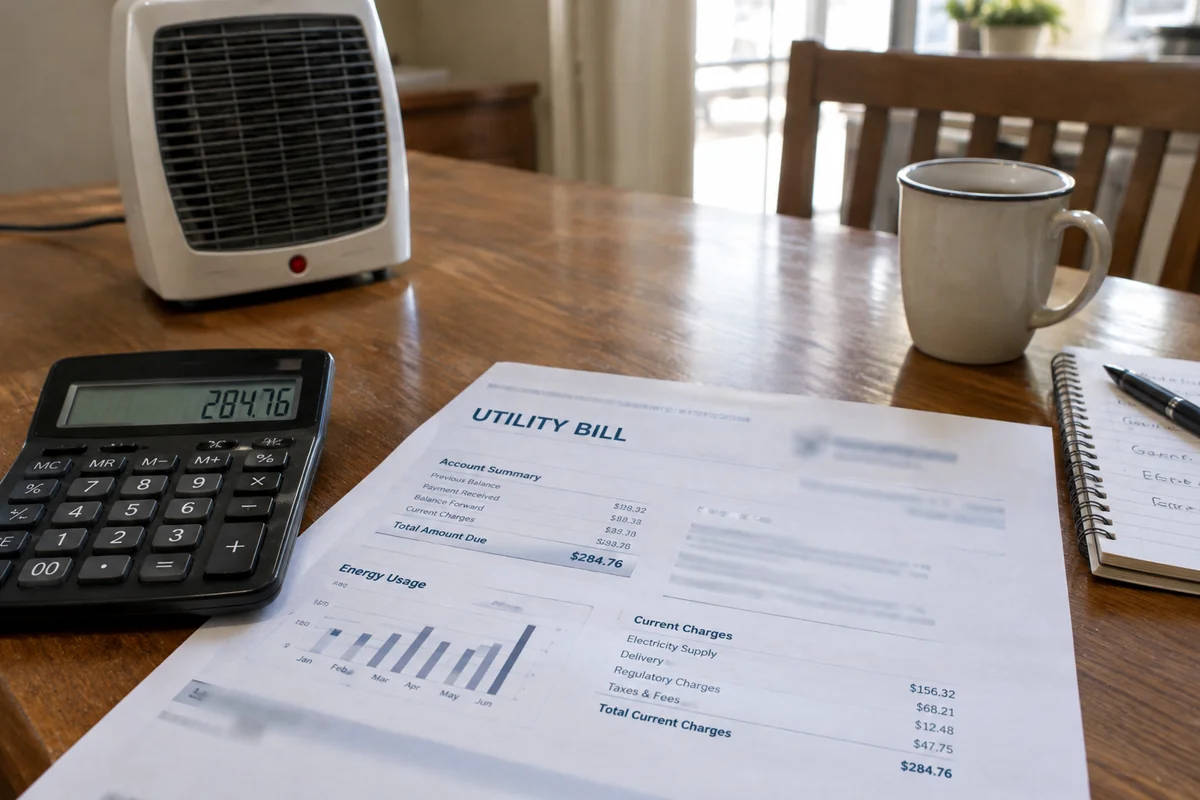
A heat pump that has lost its compressor or refrigerant charge can keep the house warm on backup strips alone. You stay comfortable, and the KU bill tells you something’s wrong a month later.
Moisture you can’t see
An air conditioner that cools without drying the air leaves humidity behind. Over a summer that can mean musty closets, swollen doors and conditions mold likes.
Bigger repairs later
A dirty coil makes the compressor run hotter and longer. A cracked igniter that “still works sometimes” usually quits on the coldest night. Small problems in HVAC rarely stay small.
Safety
A furnace with a cracked heat exchanger or blocked flue can push carbon monoxide into the house. The CDC recommends a CO alarm near every sleeping area and a yearly furnace check by a qualified technician.
Areas We Cover in Lexington
This site covers Lexington-Fayette only, one consolidated city and county with a single permit office. The neighborhoods below give a rough sense of the housing you’ll find across it.
- Older central homes: Chevy Chase, Ashland Park, Kenwick and the South Hill area near downtown.
- Established suburbs: Tates Creek, Lansdowne, Gardenside and Cardinal Valley.
- Newer growth areas: Hamburg, Andover and Hartland on the east and southeast side, Beaumont and Palomar to the southwest, and Masterson Station to the northwest.
- East side estates: Greenbrier and the larger lots around it.
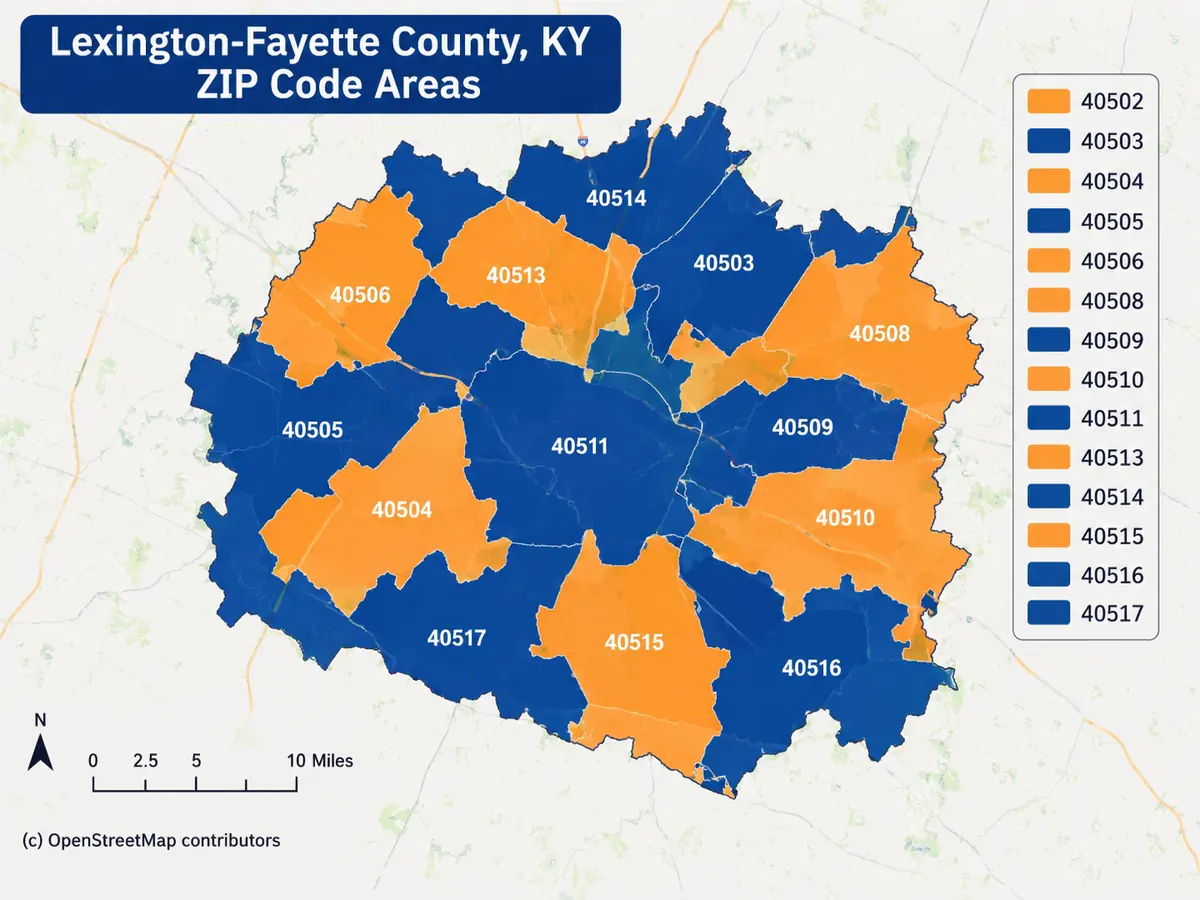
Residential ZIP codes covered: 40502, 40503, 40504, 40505, 40507, 40508, 40509, 40510, 40511, 40513, 40514, 40515, 40516 and 40517. Housing notes for each part of town are on the Lexington areas page.
Permits and Licenses in Plain English
Permits. Replacing a furnace, heat pump or air conditioner in Lexington generally needs a mechanical permit through LFUCG’s Division of Building Inspection. Contractors have to register with the division, and an unregistered contractor can’t pull a building permit. If someone offers to skip the permit, that’s a reason to keep looking.
Licenses. Kentucky’s Department of Housing, Buildings and Construction licenses HVAC contractors and journeyman mechanics. Its public license search lets you look up any company by name before you hire, and an active status is worth confirming before anyone opens up your gas furnace.
Common Questions About Hiring an HVAC Company in Lexington
Is Brevick HVAC Company Lexington the company that will do the work?
No. We connect you with independent local providers. The provider who visits handles the diagnosis, pricing, scheduling and any warranty.
Do you cover all of Fayette County?
The site covers the 14 residential Lexington ZIP codes listed above. Whether a provider is available at a particular time depends on their schedule.
Should I repair or replace a 15-year-old system?
It depends on the repair, the refrigerant the system uses and the condition of the ductwork. A single failed part on a system that’s otherwise sound is often worth fixing. A second compressor or heat exchanger problem usually tips the decision toward replacement. Each installation page goes into the details.
Why does my heat pump say AUX HEAT so much?
Backup heat is normal on the coldest nights and during defrost. If it runs for hours when it’s only in the 40s outside, the heat pump may not be pulling its weight. The aux heat article explains how to tell the difference.
How often should a Lexington system be serviced?
Twice a year is common here: cooling in spring and heating in fall. ENERGY STAR suggests checking your filter every month and replacing it when it’s dirty.
What should I do if I smell gas?
Leave the house without flipping switches, then call Columbia Gas of Kentucky or 911 from outside. Don’t wait for an HVAC appointment.
Who Runs This Site
Brevick HVAC Company Lexington is owned and edited by Zubair Ahmed Soomro. Every figure on this site links to the agency or utility it came from, and pages are reviewed when rules, permit requirements or weather data change. If you spot something out of date, tell us at info@hvaccompanylexington.com. More background is on the About Us page, and the blog collects longer articles on specific problems.
Heating or cooling trouble at home in Lexington? Call to be connected with a local HVAC provider.
Call (859) 517-8017Sources
- National Weather Service, Lexington monthly and annual normals, 1991–2020 and normal number of days, 1991–2020
- National Weather Service, January 2009 ice and snow storm
- U.S. Environmental Protection Agency, A Brief Guide to Mold, Moisture and Your Home and Map of Radon Zones
- Centers for Disease Control and Prevention, Carbon Monoxide Poisoning Basics
- Lexington-Fayette Urban County Government, Division of Building Inspection
- Kentucky Department of Housing, Buildings and Construction, licensee search
- ENERGY STAR, Maintenance Checklist
- Map data © OpenStreetMap contributors